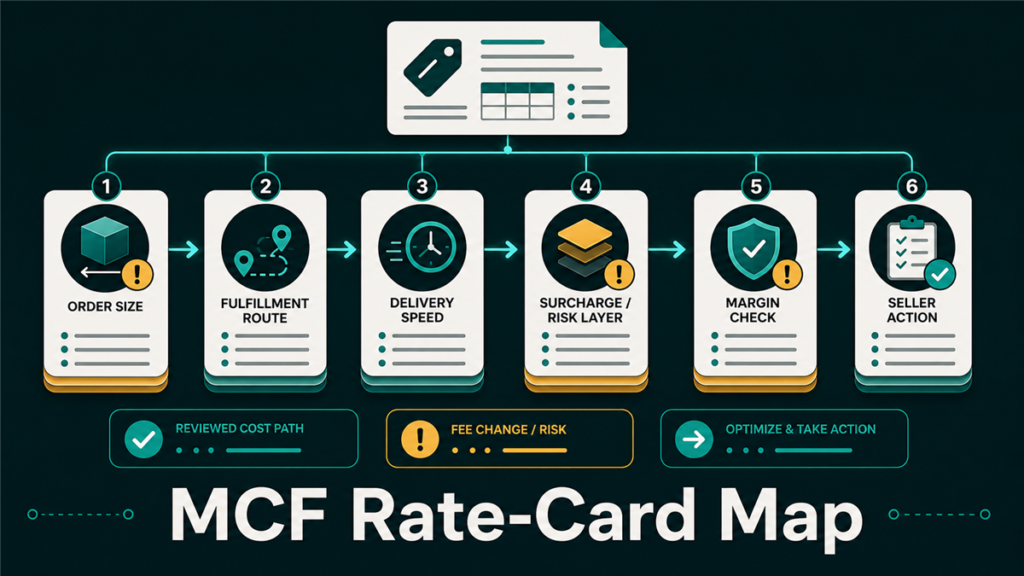
Order minimums on Faire are more than a settings field. They shape who can buy, what order sizes feel realistic, and whether the brand can fulfill wholesale demand profitably. A strong faire order minimum strategy balances buyer accessibility with real margin and operating costs.
Freshness note: Faire's first-order minimum and reorder minimum should be read separately, and brands should review threshold economics, reorder behavior, and merchandising effects before changing minimums.
Key Takeaways
- Faire order minimums help brands avoid low-value orders that are expensive to fulfill.
- First-order minimums and reorder minimums should be thought about differently.
- Minimum order quantity and order minimum are related but not interchangeable.
- Lower minimums can reduce friction, but they can also increase operational drag if margins are weak.
- Brands should set thresholds based on economics and buyer behavior, not guesswork.
What An Order Minimum Is Actually Doing
Faire lets brands set an order minimum, and the platform distinguishes between first-order minimums and reorder minimums. That matters because a new retailer relationship often needs a different threshold than an existing one.
In practical terms, the minimum is protecting the brand from orders that are too small to make sense operationally. But it also sends a signal to the buyer about the size of relationship the brand expects.
That is why order minimum strategy is not only about a number. It is about:
The Three Threshold Questions Brands Should Answer
1. What does a first order need to cover?
A first order often carries more setup friction. If the threshold is too low, the brand may win more small orders that are expensive to serve.
2. What should a reorder feel like?
A reorder minimum is often lower because the relationship already exists. The brand may want to make replenishment easier for returning retailers.
3. Are you confusing MOQ with order minimum?
Faire's help documentation distinguishes minimum order quantity from overall order minimum. MOQ controls product-level quantity expectations. Order minimum controls the total order threshold. The two solve different problems.
Where Brands Usually Misjudge The Setting
They optimize for ease only
An easy first order is appealing, but not if it creates unprofitable fulfillment.
They use the same threshold for every situation
First orders and reorders often deserve different logic.
They skip the retailer experience
If the threshold is hard to understand or feels disconnected from the product mix, the buyer experience gets rougher.
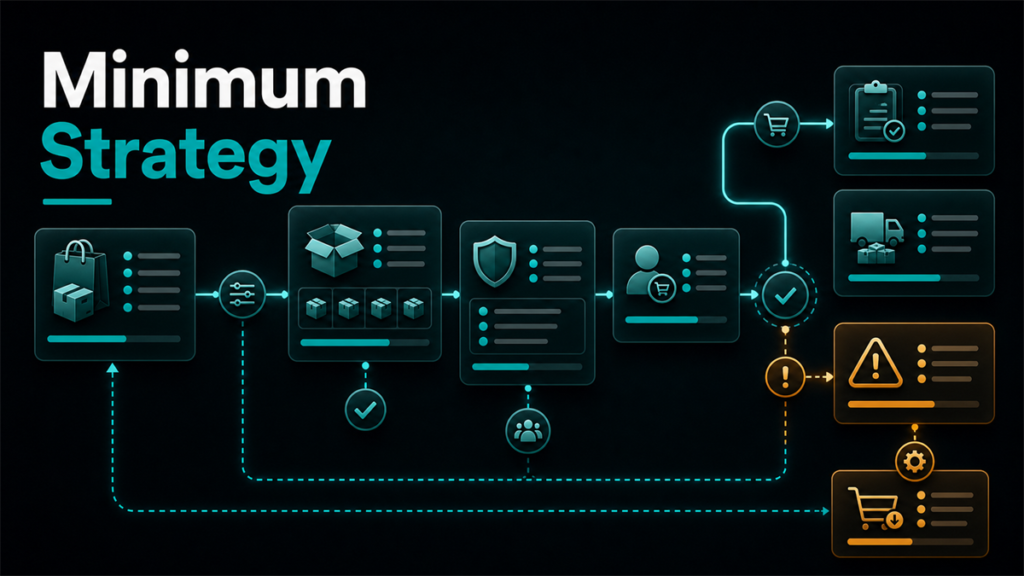
A Better Minimum-Setting Routine
- Review the real cost of a smaller wholesale order.
- Decide what a first order should accomplish for the relationship.
- Set a reorder threshold that supports replenishment without sacrificing margin.
- Keep MOQ and total order minimum logic separate.
- Revisit the thresholds after observing real retailer behavior.
Scenario: Lowering The Minimum Increased Orders but Not Quality
A brand reduced its minimum because it wanted more retailers to place a first order. The immediate result looked positive because order count rose. But many of the new orders were too small to feel worthwhile once pick, pack, and operational overhead were considered. The team had effectively traded buyer friction for brand-side friction.
After resetting the first-order threshold and keeping the reorder minimum more flexible, the brand had a healthier balance between access and economics.
FAQ
Is a lower order minimum always better for growth?
No. It can reduce friction, but it can also create low-value orders that are expensive to fulfill.
Should first-order and reorder minimums be the same?
Not necessarily. They often serve different goals.
Is minimum order quantity the same as order minimum?
No. MOQ is product-level. Order minimum is order-level.
Can order minimums be changed later?
Yes, but the right time to change them is after reviewing retailer behavior and fulfillment reality.
What is the biggest strategy mistake?
Setting thresholds by instinct instead of by margin and operational logic.
Better Wholesale Thresholds Protect Both Margin And Momentum
A good Faire order minimum strategy helps the brand stay accessible without accepting order patterns that are hard to sustain. If your team is working through broader wholesale and marketplace questions, Qubeq can help you think through those other marketplace operations. If you want help reviewing the threshold logic in context, contact us here.