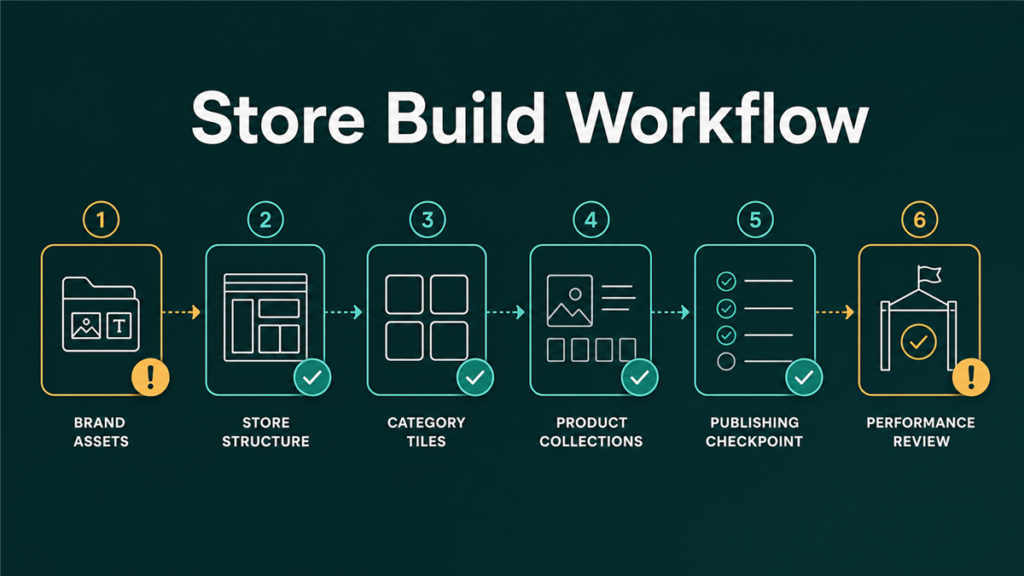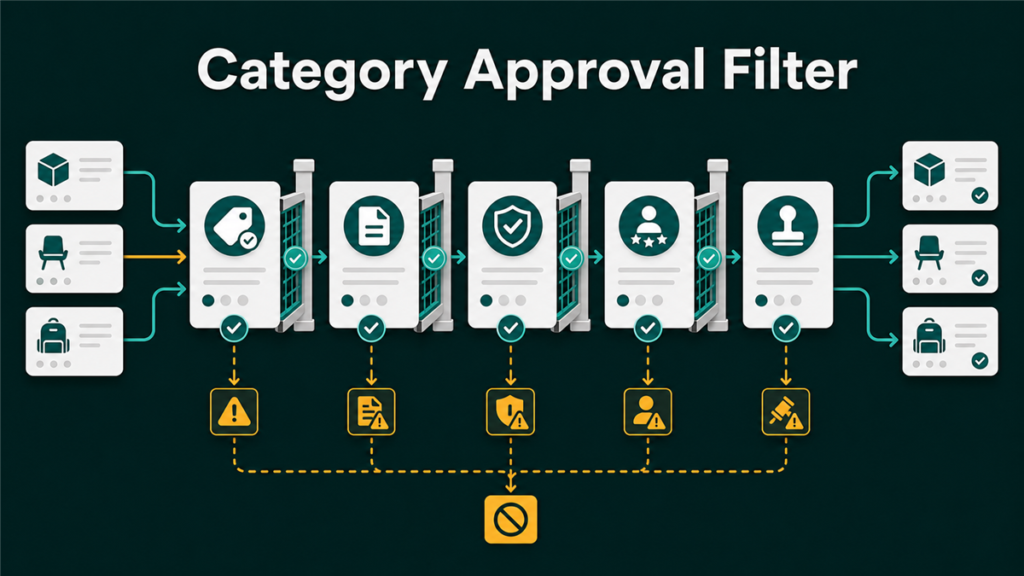
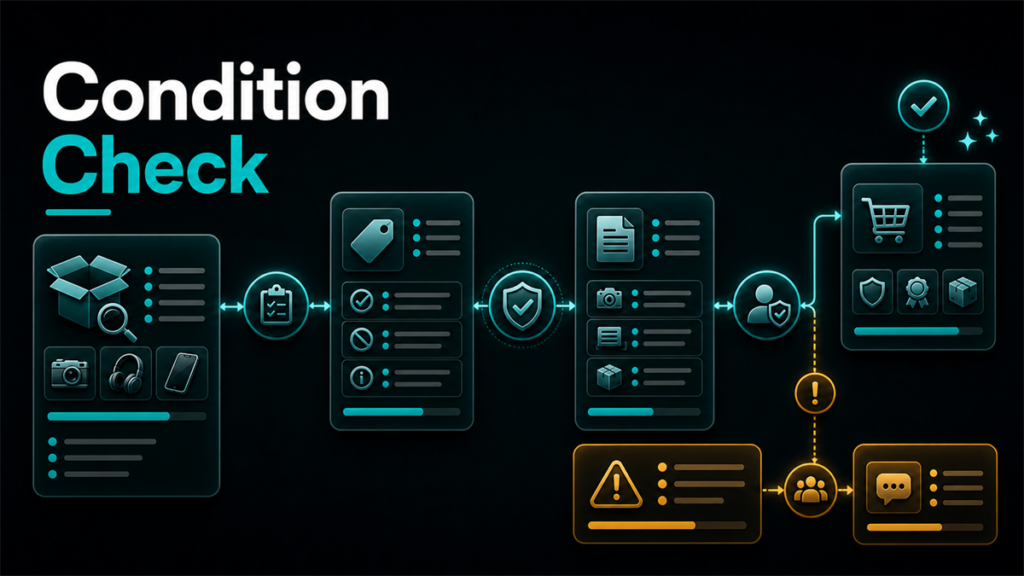
You can sell used items on Amazon in some categories, but not all of them, and the rules are stricter than most resellers expect. Success depends on confirming category eligibility before sourcing, selecting the correct condition type, writing honest condition notes, and protecting your account from condition complaints. This guide covers the workflow that keeps used-condition selling profitable and compliant.
Key Takeaways
- Check whether the category allows used offers before you source inventory, not after. Eligibility varies by category and sometimes by product, and some categories may also require approval to sell at all.
- Amazon's condition framework has used tiers commonly labeled Used – Like New, Used – Very Good, Used – Good, and Used – Acceptable. Verify the current labels and definitions in Seller Central before listing.
- When in doubt between two conditions, choose the lower one. Under-promising on condition reduces returns and protects account health.
- A "used sold as new" complaint is an account health event, not just a refund. Never list opened, returned, or repackaged inventory as new.
- FBA can be possible for eligible used physical inventory, but confirm eligibility and prep requirements by category and product before creating a shipment.
Can You Sell Used Items on Amazon?
Yes, in eligible categories. Amazon supports used offers in parts of the catalog, most visibly in books and media, while restricting used condition in categories where hygiene, safety, or authenticity concerns apply.
Treat eligibility as a per-category, per-product question. A category that broadly allows used offers can still have product-level restrictions, and some categories or brands require approval before you can list at all, in any condition. The reliable check is inside your own Seller Central account: attempt to add the offer against the ASIN and see which condition options Amazon presents for your account. Third-party category lists, including older versions of this article, go stale.
Two separate gates matter here, and sellers often conflate them:
- Category and product eligibility: whether Amazon allows used offers for that listing at all.
- Account eligibility: whether your account needs approval for the category, brand, or product before listing in any condition.
Clear both gates before buying inventory. Sourcing a liquidation pallet and then discovering the category requires approval you do not have is an expensive way to learn this.
Amazon Used Condition Types
Amazon's seller documentation defines condition tiers that sit below New. The commonly used tiers for used inventory have been:
| Condition | What it generally means | Typical buyer expectation |
| Used – Like New | Opened but essentially unused, original packaging largely intact, complete with accessories | Looks and works like new |
| Used – Very Good | Limited previous use, fully functional and complete, minor cosmetic wear possible | Small flaws, nothing functional |
| Used – Good | Consistent previous use, fully functional, visible wear or markings | Clearly pre-owned but solid |
| Used – Acceptable | Heavily worn but functional, may be missing non-essential accessories | Cheap and usable, flaws disclosed |
Condition options can vary by category, and exact labels and definitions change, so confirm the current condition guidelines in Seller Central before you grade inventory.
The operational rule that matters more than any definition: grade against buyer expectation, not against your cost basis. If an item sits between two conditions, list it at the lower condition. The pricing difference is usually smaller than the cost of a return plus a negative experience.
Condition notes do real work
Used offers include a condition note field. Use it for specifics: what is worn, what is missing, what was tested. "Tested and working, light scratches on the lid, original manual not included" sets expectations a generic note never will. Accurate notes lower return rates and give you evidence if a buyer claims the item was not as described.
Do not use condition notes to contradict the selected condition, advertise, or include prohibited content. The note describes the unit, nothing else.
The Used-Item Listing Workflow
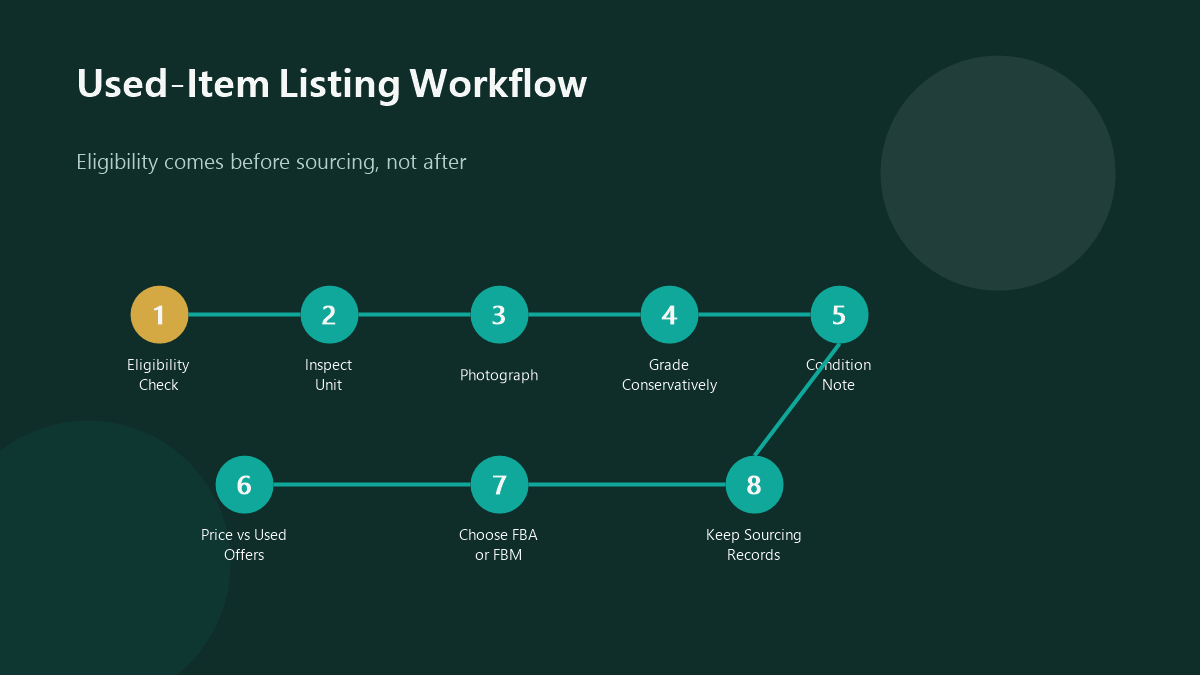
A repeatable workflow for used inventory looks like this:
- Confirm the category and product allow used offers, and that your account has any required approvals.
- Inspect the unit: function test, completeness check, cosmetic review.
- Photograph the actual unit, including flaws, for your own records. For most used offers you list against the existing detail page, so your photos are documentation and dispute evidence rather than listing images.
- Grade conservatively against the current condition definitions.
- Write a specific condition note for the unit.
- Price against the current used offers at the same condition tier, not against the new price alone.
- Choose fulfillment: FBM for most one-off or high-value used units, FBA only after confirming the product and condition are FBA-eligible.
- Keep sourcing records. Invoices and receipts matter if Amazon asks where inventory came from.
Pricing used inventory
Used pricing is driven by the existing offer stack. Open the listing, look at the used offers at your condition tier, and position against them. Condition note quality and seller feedback influence which used offer buyers pick, so a slightly higher price with a specific, confidence-building note can outsell a cheaper offer with a generic note. Avoid formulas that promise a fixed percentage of the new price; demand varies too much by category and product to make that reliable.
FBA or FBM for Used Items?
Both can work, with different risk profiles.
FBM keeps you in control of the exact unit. You inspect it, pack it, and ship it, which matters for used goods where unit-level condition is the whole game. For low-volume resellers and high-value used items, FBM is usually the safer default.
FBA may be available for eligible used physical inventory, and it brings the usual FBA advantages on fulfillment and customer service. The trade-offs for used goods specifically: you need to confirm the product and condition are FBA-eligible before shipping, prep requirements still apply, and once inventory is in the network you are not inspecting the unit a customer receives back if it is returned and re-enters your inventory. Returned used inventory deserves re-inspection before it sells again, which is operationally harder inside FBA.
Verify current FBA eligibility for your specific used items by category and product before creating a shipment. Do not assume that because a category allows used offers, FBA accepts them.
Account Health Risks Specific to Used Selling
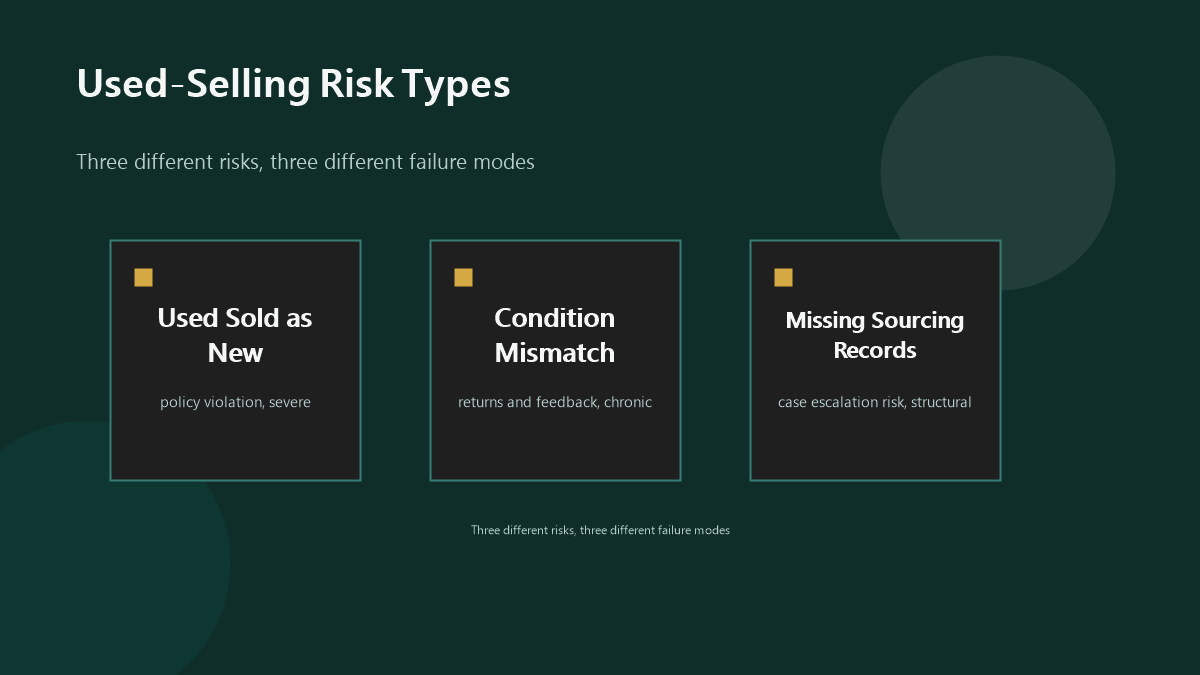
Used-condition selling has a distinct account health surface area.
The serious one is the "used sold as new" complaint. Listing an opened, returned, repackaged, or customer-handled unit as New is a policy violation that can suppress listings and escalate to account-level action. If a unit has left new condition for any reason, it is not new. Grade it honestly or do not sell it.
The chronic one is condition mismatch. Buyers who receive items worse than the selected condition file returns, leave negative feedback, and mark orders as not as described. Each event is small; a pattern affects your metrics and can draw scrutiny to the whole account.
The structural one is sourcing documentation. Used inventory often comes from liquidation, returns pallets, or estate-style sourcing where paperwork is thin. Keep whatever sourcing records exist. If Amazon requests invoices for authenticity or supply-chain verification, "it was a pallet" is not an answer that resolves a case.
Mini-Scenario: The Pallet That Graded Itself
A reseller bought a returns pallet of small kitchen appliances and listed everything as Used – Like New to maximize price, reasoning that most boxes looked unopened. Within three weeks, the returns started: missing accessories, scuffed housings, one unit that did not power on. Feedback dipped and two orders came back as not as described. The fix was procedural, not heroic. Every unit got a function test and completeness check, grades dropped to Very Good or Good with specific condition notes, and obviously incomplete units were parted out or discarded instead of listed. Returns fell, and the realized margin on honestly graded units beat the inflated-grade approach once return costs were counted.
FAQ
What categories allow used items on Amazon?
It varies, and it changes. Books and media have long supported used offers, while categories with hygiene, safety, or authenticity concerns restrict them. Check the condition options Amazon presents for the specific ASIN in your Seller Central account rather than relying on a static category list.
Can I sell an opened or returned item as new?
No. Once a product has been opened, used, or returned by a customer, it no longer qualifies as New. Listing it as new risks a "used sold as new" complaint, which is an account health issue. Grade it under the appropriate used condition.
Can I use FBA for used products?
Sometimes. FBA can accept eligible used physical inventory, but eligibility depends on the category, the product, and the condition. Confirm in Seller Central before creating a shipment, and account for the fact that FBA returns re-entering inventory will not get your personal re-inspection.
How should I price used items?
Position against the existing used offers at the same condition tier on that listing. A specific, honest condition note lets you price near the top of your tier. Avoid fixed percentage-of-new formulas; demand differs too much across products.
Do used items need an individual or professional seller account?
Either plan can list used items where the category allows it. Plan choice is about volume and feature needs, not condition. Verify current plan pricing and features on Amazon's selling pages rather than older articles.
What happens if a buyer says the condition was worse than described?
Expect a return and possibly a not-as-described claim. Respond quickly, refund where appropriate, and keep your inspection records and photos as evidence if you dispute the claim. A pattern of these complaints harms account health, which is why conservative grading is the cheaper strategy.
Selling Used Without Burning Your Account
Used-condition selling on Amazon works when the boring steps happen every time: eligibility check before sourcing, unit-level inspection, conservative grading, specific condition notes, and sourcing records you can produce on request. Sellers get in trouble when they treat grading as a pricing lever instead of a compliance obligation.
If condition complaints, listing restrictions, or account health warnings are already piling up, Qubeq can review the account, identify which listings and practices are generating the risk, and help clean up the catalog before the problems compound.