
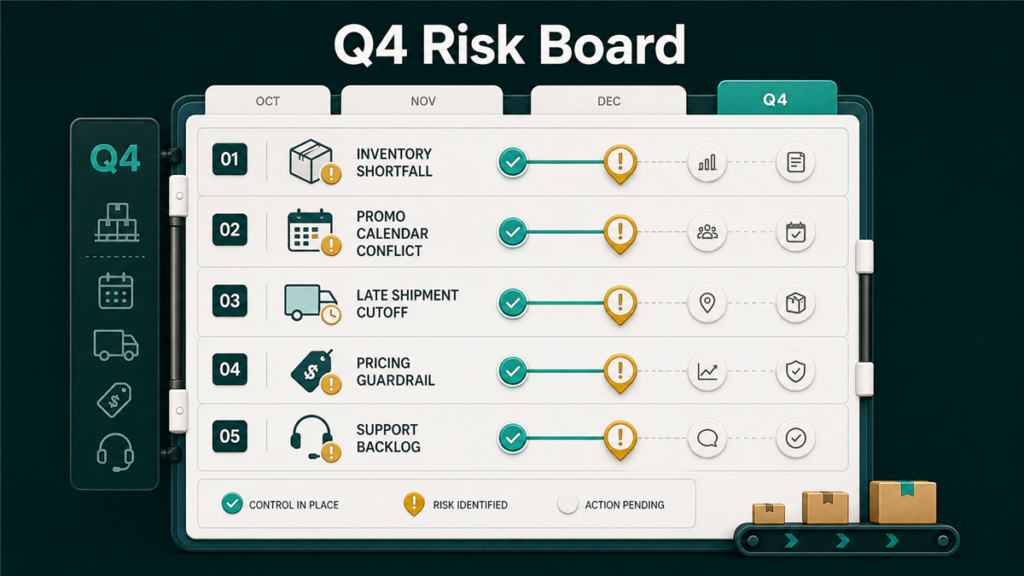
Mistake Brands Make in Q4: Amazon FBA Edition
Seven operational mistakes that cost Amazon FBA brands their Q4: late planning, inventory misses, risky listing edits, budget burn, discount panic, account health neglect, and skipped January cleanup.
Seven operational mistakes that cost Amazon FBA brands their Q4: late planning, inventory misses, risky listing edits, budget burn, discount panic, account health neglect, and skipped January cleanup.
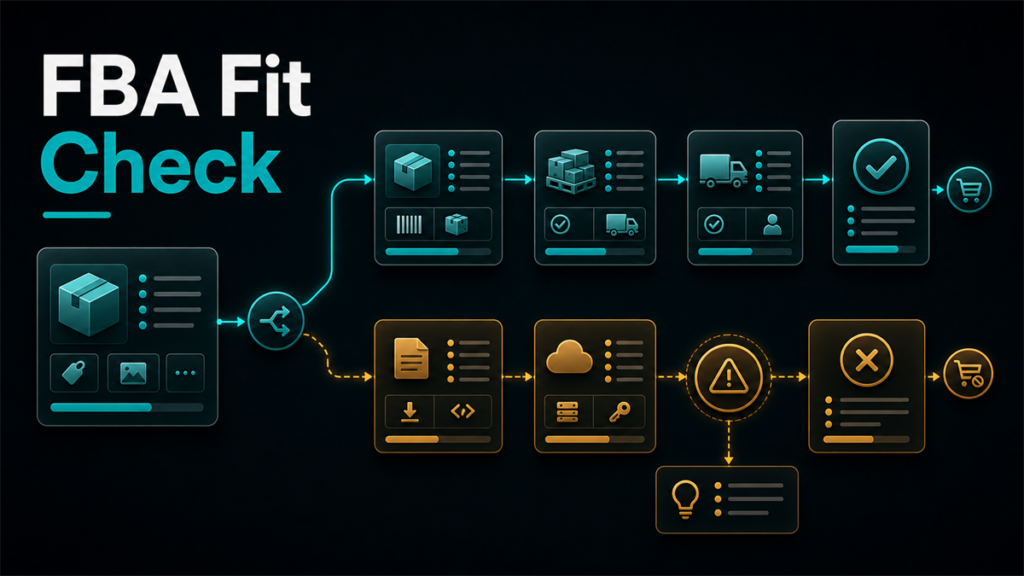
FBA is built for physical inventory, not digital files. This guide explains which Amazon programs fit digital products, how physical-digital hybrids work with FBA, and what compliance rules sellers need to follow.
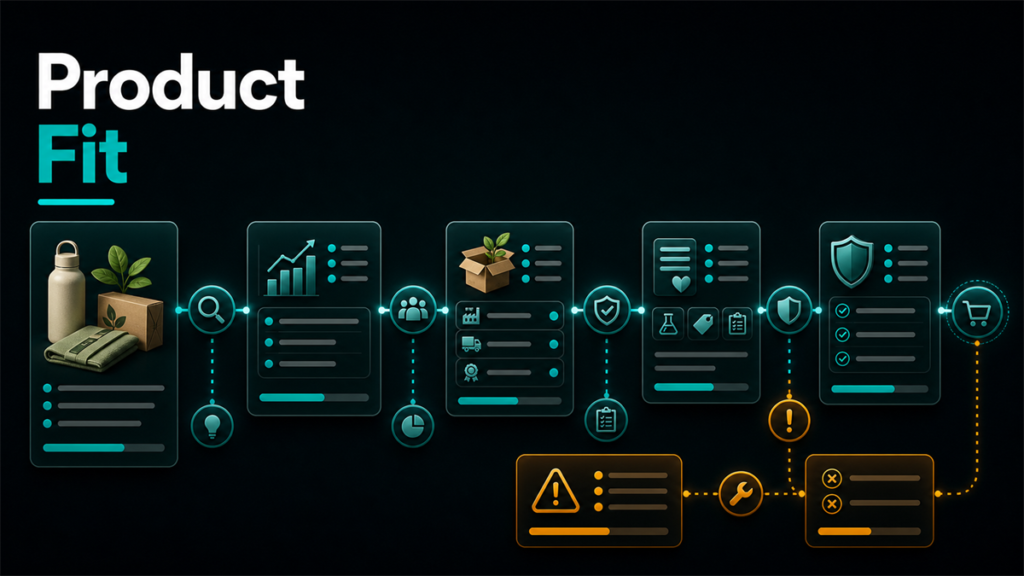
How to research, validate, and sell eco-friendly products on Amazon FBA. Covers demand analysis, FBA economics, compliance, certifications, packaging, and common mistakes to avoid.
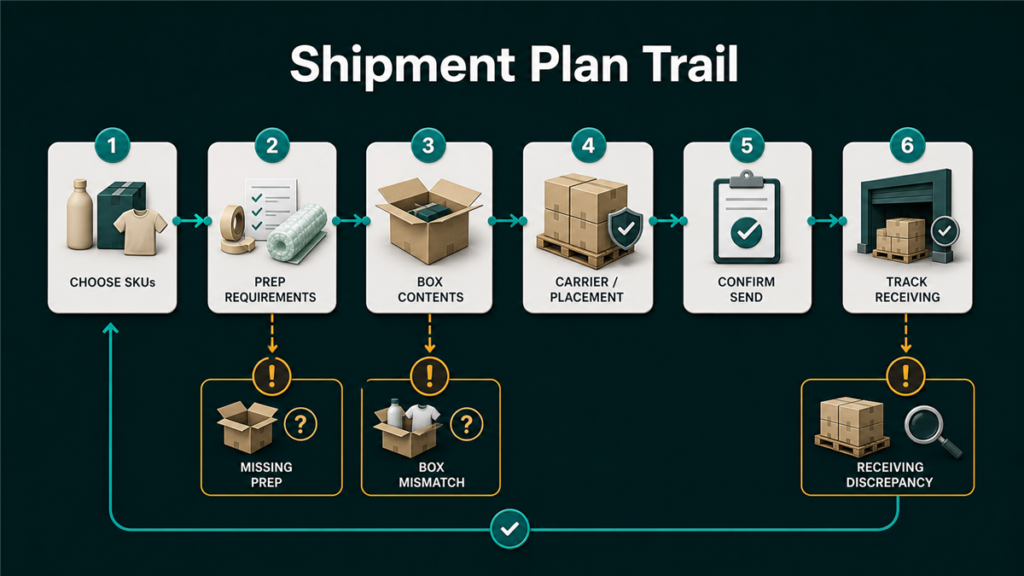
The current Send to Amazon workflow for FBA shipments, step by step: prep, packing templates, labels, carrier choice, placement options, and the reconciliation step most sellers skip.
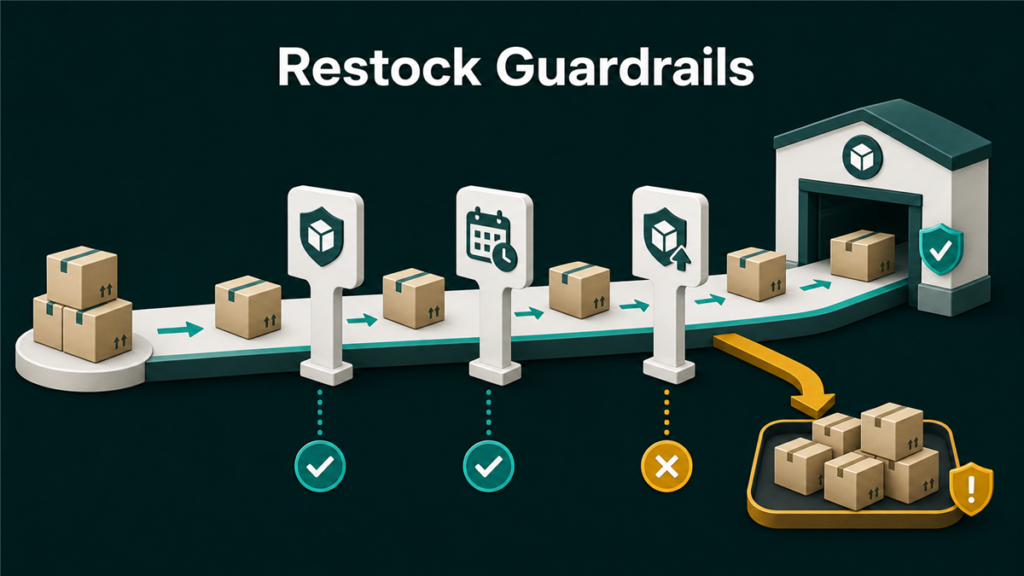
Restock limits became capacity limits. How the current system works, what drives your number, and the allocation playbook for operating inside it.
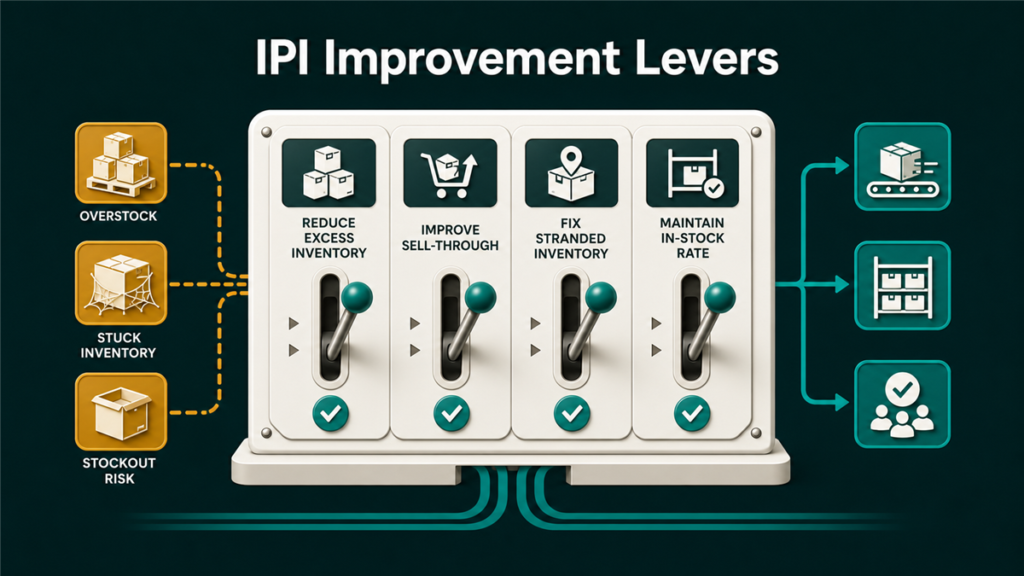
The Amazon IPI score is an output of four controllable behaviors: excess stock, sell-through, stranded listings, and in-stock rate. Here is how each works and the fix order that raises a low score.
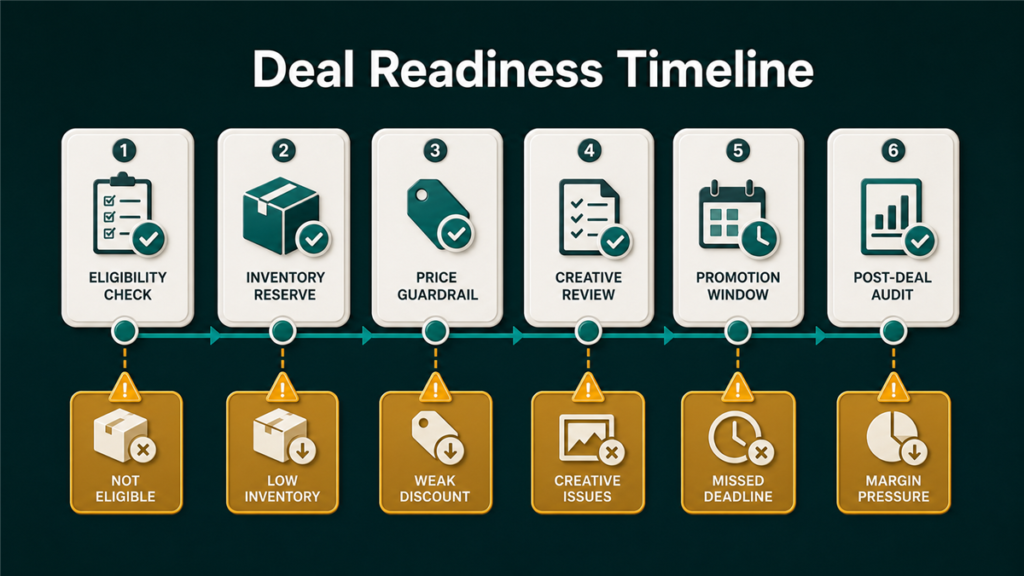
How Amazon Lightning Deals work, what they really cost under the current fee structure, and the per-ASIN math that decides whether a deal is worth running.
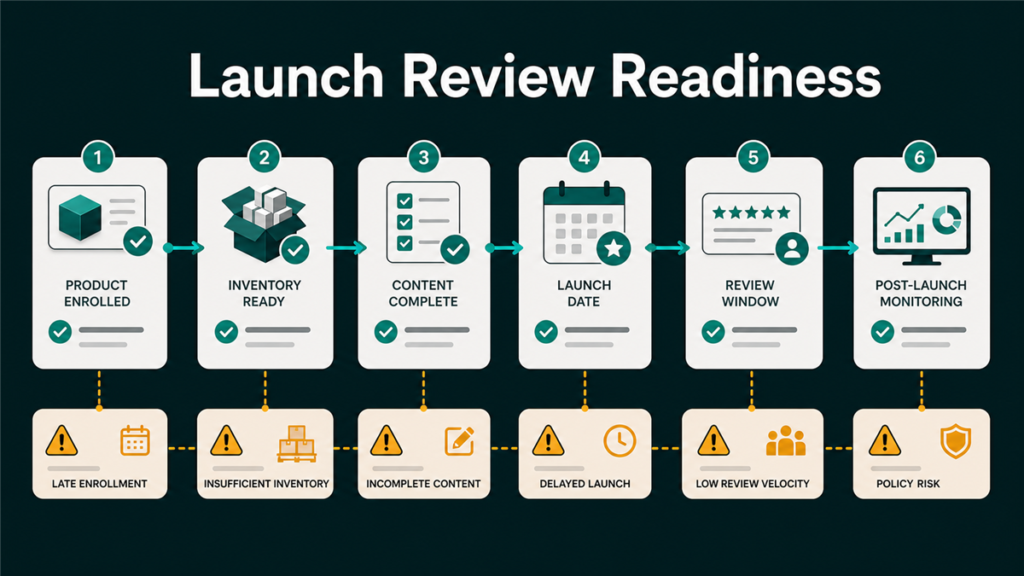
Amazon Vine is the compliant way to launch with reviews on day one. How it works, who qualifies, what it really costs, and how to sequence it into a launch.
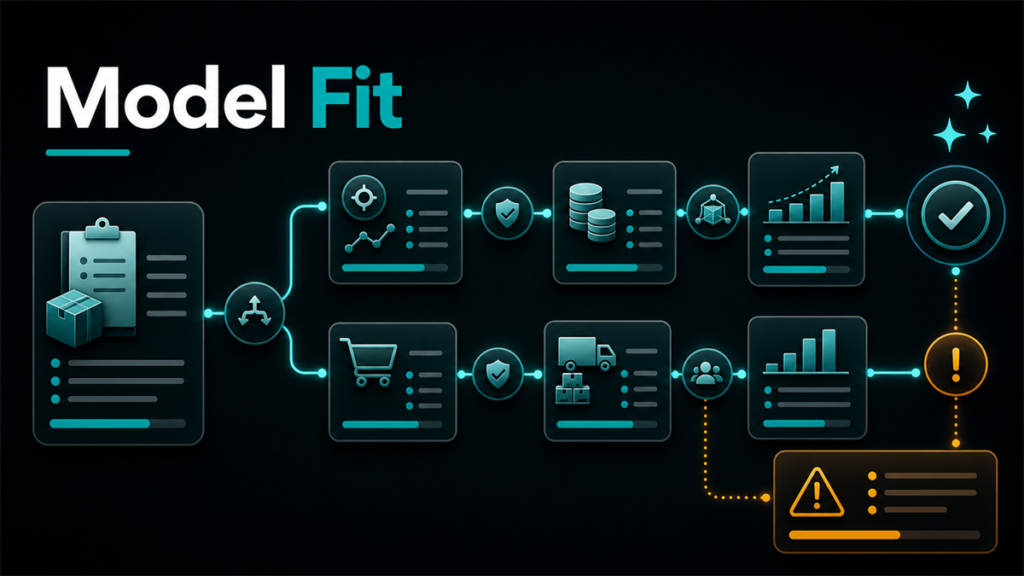
Private label vs wholesale on Amazon: how each model works, what they require, and a decision framework for choosing the right fit based on your capital, skills, risk tolerance, and business goals.