
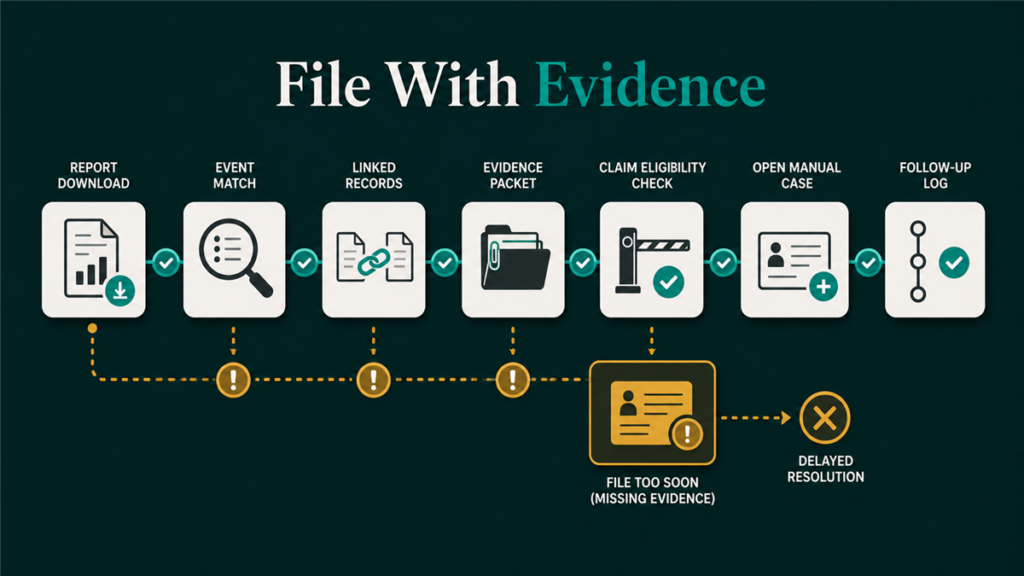
How to File FBA Reimbursement Claims After Policy Changes
Before filing FBA reimbursement claims, sellers should identify the claim type, check automatic reimbursements, verify current policy, and gather focused evidence.
Before filing FBA reimbursement claims, sellers should identify the claim type, check automatic reimbursements, verify current policy, and gather focused evidence.

Use this FBA reimbursement claim-type map to identify lost, damaged, customer return, inbound, removal, and adjustment issues before filing manual cases.
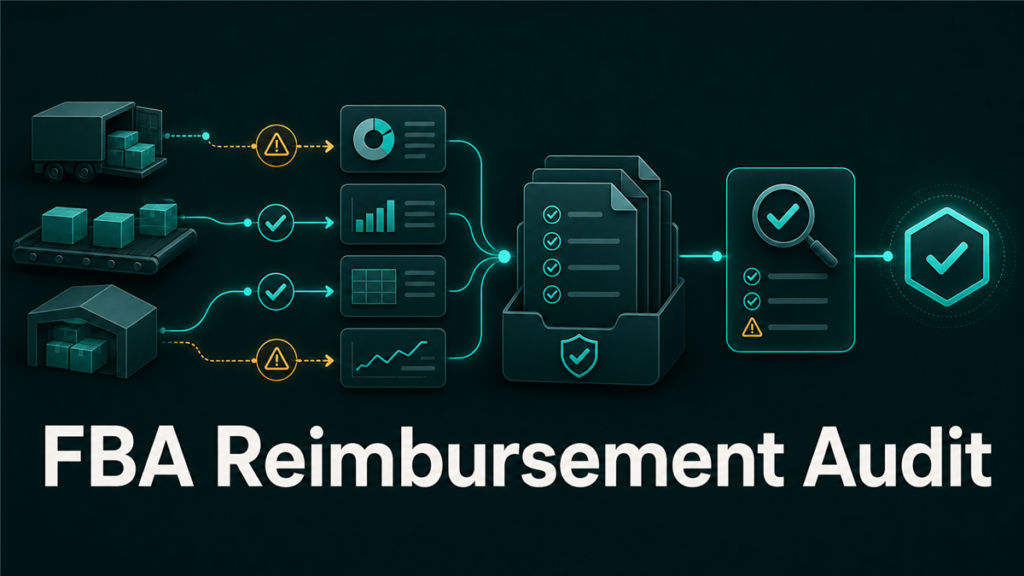
Use this FBA reimbursement audit checklist to review lost inventory, damaged units, shipment discrepancies, return issues, and evidence gaps before eligible claims are missed.
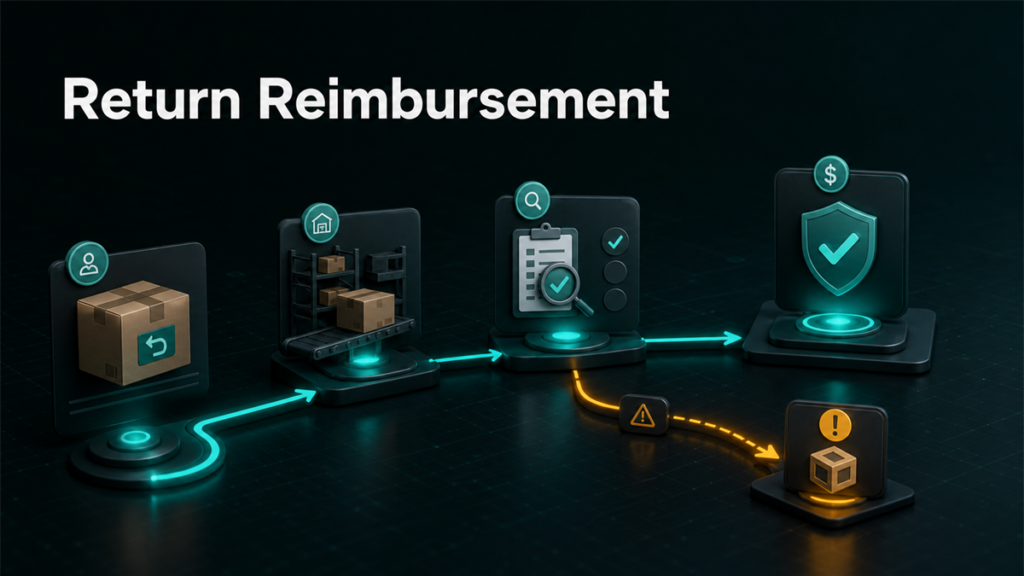
FBA customer return reimbursement starts with tracing the refund, return status, inventory condition, and reimbursement history before filing a manual claim.
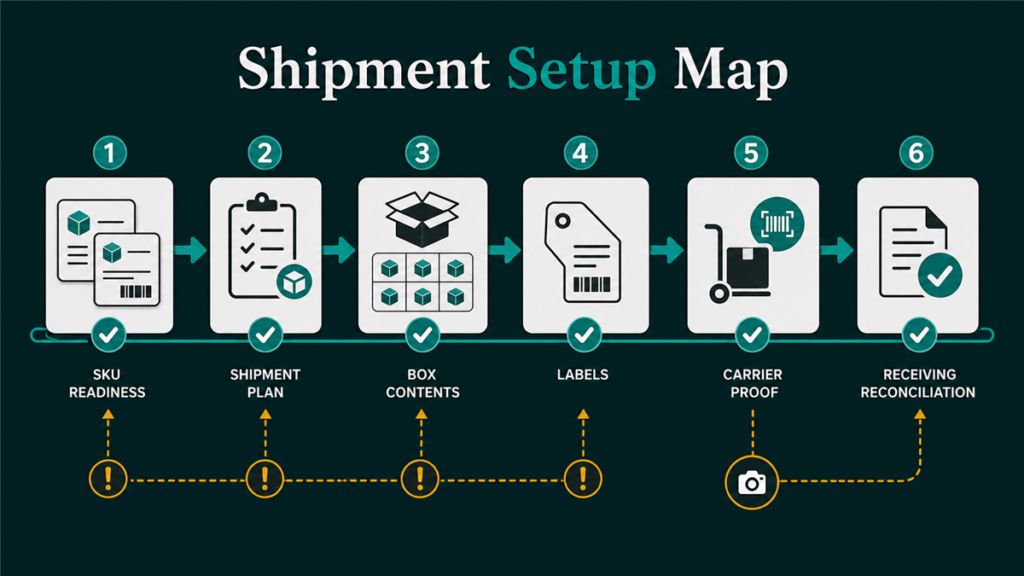
Use this Send to Amazon workflow guide to prepare SKU data, prep requirements, box content, labels, carrier records, and receiving reconciliation.
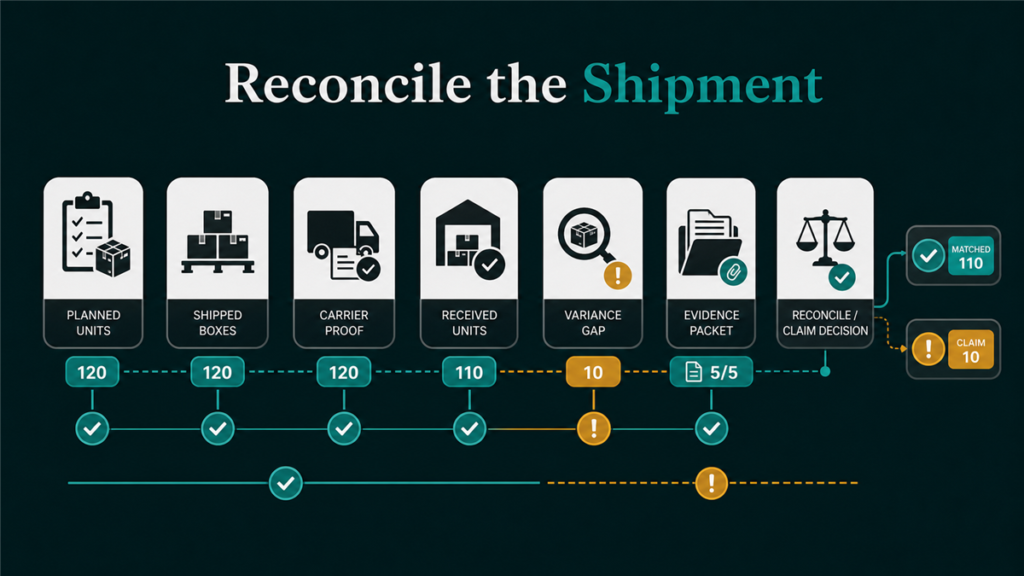
Use this FBA shipment reconciliation workflow to compare expected, received, adjusted, and claim-ready units before opening reimbursement cases.

Before filing an FBA damaged inventory reimbursement claim, sellers should classify the damage path, check automatic reimbursement, and gather event-level evidence.
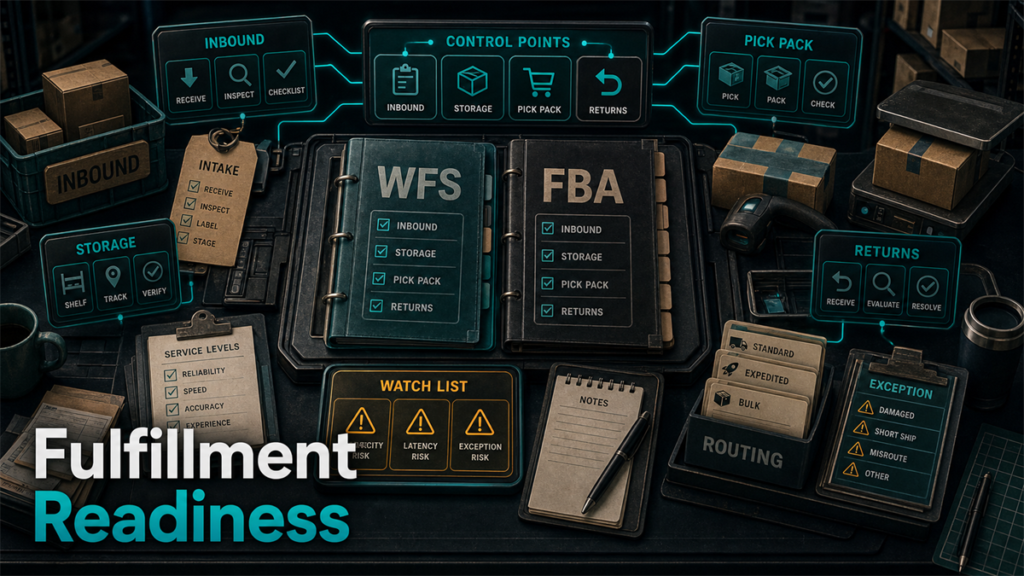
WFS and FBA both outsource pick, pack, and ship, but the inbound prep requirements, returns exposure, and seller support paths are different programs. Here’s what Amazon-first sellers need to know before expanding to WFS.

When you ship your inventory to Amazon FBA, your expectation is simple: all units should be received, checked in, and