TikTok Shop can create demand quickly, especially when content and creator activity take off faster than the operations team expected. That is why fulfillment readiness matters early. If shipping, dispatch, and return controls are loose, the channel can grow into a customer-service problem before it becomes a healthy revenue line.
Key Takeaways
- TikTok Shop gives sellers multiple fulfillment paths, but each path has different operational demands.
- Returns and refund exposure should be part of launch planning, not something the team learns only after volume spikes.
- Shipping speed, dispatch discipline, and policy compliance affect more than the order. They affect account health and customer trust.
- Seller teams should choose the fulfillment path they can actually operate well, not the one that only looks best in theory.
- A readiness checklist before scale is cheaper than fixing a post-order mess later.
The Three Fulfillment Models Sellers Need to Understand
TikTok Shop's current US seller materials describe three main paths:
Each changes where the operational burden sits.
Seller Shipping
Seller Shipping gives the merchant more control, but also more direct responsibility. The seller chooses supported logistics partners, manages tracking updates, and owns performance more directly.
TikTok Shipping
TikTok Shipping places more of the carrier-selection logic inside the platform's system, but the seller still needs to operate cleanly within the platform's fulfillment requirements.
Fulfilled by TikTok
FBT shifts more warehouse and shipping work to TikTok's network. That can reduce some operational burden, but it does not remove the need for SKU readiness, inbound planning, and returns awareness.
The mistake is assuming the "best" option is universal. The best option is the one your team can support consistently.
Why Returns Planning Matters Before Launch
Many brands think about TikTok Shop as a top-of-funnel demand engine first and an operations channel second. That order creates trouble.
Returns, refunds, and disputes matter early because:
If you wait to define your return routine until the first wave of issues arrives, the channel is already teaching your operations team under pressure.
The Readiness Checklist
1. Choose the fulfillment path your team can run cleanly
Do not choose a model based only on marketing hopes. Choose it based on dispatch ability, warehouse control, labeling accuracy, and issue-handling capacity.
2. Review dispatch and shipping discipline
The official TikTok Shop policy materials make it clear that sellers need to operate within platform fulfillment rules and service expectations. That means order handling and tracking accuracy should be treated as system work, not improvisation.
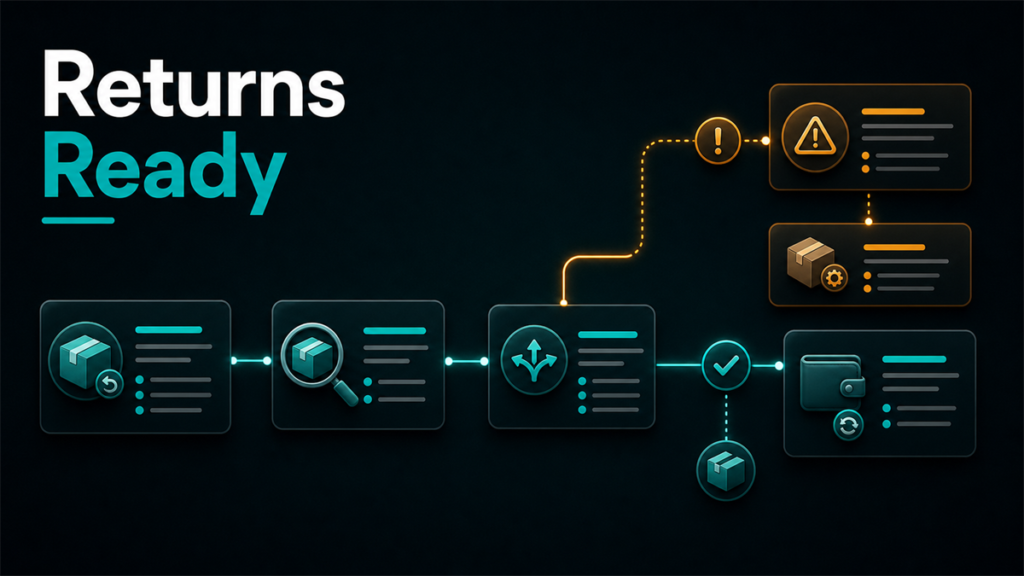
3. Decide how returns will be handled internally
Who reviews the issue? Who inspects returned inventory? Who decides whether the item can be resold? If no one can answer that cleanly, the returns process is not ready yet.
4. Separate policy knowledge from guesswork
The team should know where to find the live policy and appeal documentation before it needs it.
5. Review product types for return sensitivity
Some products are naturally more exposed to returns because of sizing, fit, fragile presentation, or impulse-purchase behavior. Those products need tighter operational planning.
6. Build a dispute and appeal workflow
TikTok Shop's seller materials include return and refund appeal logic. That means the team should know what evidence it would gather if a case needs review.
7. Test the post-order handoff before scale
A small controlled run can reveal more than a big theoretical meeting.
Common Mistakes That Hurt Sellers Fast
Launching with unclear ownership
If no one clearly owns shipping settings, tracking checks, return review, and refund decisions, problems spread fast.
Using a shipping method the team cannot support consistently
The theoretical benefit of a model does not matter if the daily workflow breaks.
Ignoring how content-driven sales can distort expectation
Products that look easy to sell in video can still be difficult to fulfill or support after the order.
Treating returns as rare exceptions
In social commerce, they are part of normal operating design.
A Simple Pre-Scale Operations Routine
Before pushing harder on sales, review:
- open shipping issues
- dispatch timing accuracy
- return reasons by SKU
- refund and appeal patterns
- products creating the highest post-order friction
- whether the chosen fulfillment path still matches current volume
This routine helps a team see whether growth is operationally healthy or just cosmetically exciting.
Scenario: The Launch That Outpaced the Warehouse
A seller launched on TikTok Shop with strong content performance and early order momentum. The marketing side felt successful immediately. The operations side did not.
Tracking updates became inconsistent, return questions piled up, and the team realized too late that nobody had defined a clean path for inspecting and dispositioning returned items. The problem was not that TikTok Shop was uniquely difficult. The problem was that growth was invited before the post-order system had been rehearsed.
Once the team assigned ownership, clarified the shipping path, and built a return-review routine, the channel became much more manageable.
FAQ
What is the best TikTok Shop fulfillment model?
The best model is the one your team can run cleanly and consistently. That depends on warehouse setup, order volume, and operational maturity.
Does FBT remove all return work?
It can reduce operational burden, but teams still need to understand how the channel handles issues and how that affects inventory and customer outcomes.
Why should returns be planned before sales scale?
Because content-led demand can accelerate faster than the operations team expects, and return problems surface quickly once orders rise.
Is shipping speed the only fulfillment issue that matters?
No. Accuracy, tracking, policy compliance, and return-handling discipline matter too.
What should a team review every week?
Open issues, dispatch performance, return reasons, appeal needs, and the products creating the most friction.
TikTok Shop Growth Is Only Useful If Operations Can Hold It
The point of fulfillment and returns planning is not to slow growth. It is to make growth survivable. TikTok Shop rewards attention well, but attention creates orders, and orders create operational truth very quickly.
If your team is building social commerce alongside other channels, Qubeq can help think through the system behind the sales, including other marketplace operations. If you want help reviewing whether your shipping and return process is ready before scale, contact us here.