Etsy Vacation Mode can be useful when you need to pause new orders, travel, handle an emergency, or catch up on production. But it is not just a quiet switch. It changes shop visibility, affects how buyers find listings, and still leaves you responsible for open orders and messages.
Used well, Vacation Mode protects your shop from taking orders you cannot fulfill. Used casually, it can create reopening friction and buyer confusion.
Freshness note: Vacation-mode effects and reopening steps should be verified in current Etsy Help before tactical instructions are treated as current; this section stays focused on pre-pause readiness and customer communication.
Key Takeaways
- Vacation Mode pauses new shopping activity, but it does not erase seller responsibilities.
- Existing orders, cases, refunds, labels, and messages still need attention.
- Listings are removed from normal shopping visibility while the shop is paused.
- A clear announcement and auto-reply reduce buyer confusion.
- Reopening should be planned with production capacity, listing checks, and response time in mind.
What Vacation Mode Does
Source note: Etsy Vacation Mode behavior, shop announcement options, auto-reply setup, and reopening visibility should be checked against current Etsy Help before a seller pauses or reopens a shop.
When Vacation Mode is on, Etsy shows visitors that the shop is taking a short break. Listings are not visible in the normal way, and items do not appear in Etsy Search. Buyers can still find the shop by exact shop name and can sign up to be notified when the shop returns.
That visibility change is the main tradeoff. Vacation Mode can protect your production schedule, but it also interrupts discovery. That is why sellers should treat it as an operations decision rather than a casual setting.
When It Makes Sense
Vacation Mode makes sense when you truly cannot accept new orders. Examples include illness, travel, family emergencies, production backlog, equipment failure, relocation, or supply disruption.
It can also make sense if continuing to accept orders would lead to late shipments, rushed quality, or buyer complaints. A temporary pause is better than damaging trust with orders you already know will be late.
What To Finish Before Turning It On
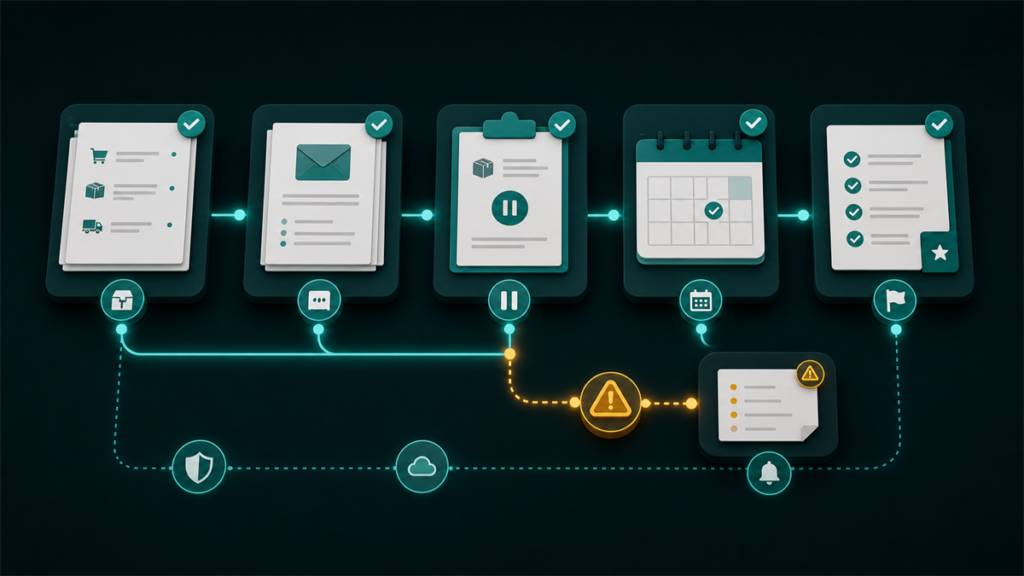
First, review all open orders. Confirm ship-by dates, production status, and buyer messages. If any order needs a delay, communicate before buyers ask.
Second, set a useful shop announcement. Do not only say "closed." Explain the expected return window, whether open orders are still shipping, and how buyers can contact you.
Third, write a message auto-reply. Include your response timeline and avoid promising a reopen date unless you are confident.
Fourth, pause or review any external promotions. If social posts, email campaigns, or ads are sending buyers to listings that will not be visible, update the traffic plan.
How To Reopen Cleanly
Before turning Vacation Mode off, check production capacity. If you return with limited materials or only part-time availability, reopen gradually. Review best-selling listings, processing times, personalization instructions, shipping profiles, and return policy messaging.
After reopening, search visibility and buyer activity may not feel instant. Give the shop time to settle, and watch messages closely during the first few days.
FAQ
When should an Etsy seller use Vacation Mode?
Vacation Mode can make sense when the seller cannot accept new orders for a temporary period, such as travel, illness, capacity limits, supply disruption, or an emergency.
What should sellers check before turning Vacation Mode on?
Sellers should review open orders, messages, cases, production commitments, shop announcement wording, auto-reply text, and the plan for reopening before pausing the shop.
Does Vacation Mode replace customer communication?
No. Sellers still need to manage existing commitments and buyer communication. Vacation Mode helps pause new shopping activity, but it does not remove responsibility for current orders or open issues.
Bottom Line
Etsy Vacation Mode is a useful safety valve, not a growth strategy. It protects sellers when new orders would create fulfillment risk. The key is to pause deliberately, communicate clearly, and reopen only when the shop can keep the promises buyers see.