Walmart Fulfillment Services can remove a lot of shipping work, but it does not remove inventory responsibility. Sellers still own the timing, quantity, and accuracy decisions that determine whether stock is truly available when shoppers want it. That is why many WFS problems do not start in the warehouse. They start in planning.
Key Takeaways
- WFS can store and ship inventory for you, but it does not automatically fix weak replenishment planning.
- Inventory lag usually comes from one of three places: slow or late inbound planning, inaccurate stock assumptions, or poor handoff between the seller's source-of-truth system and Walmart.
- "Received" is not the same as "safely in stock for your selling plan." Teams need buffer thinking, not just shipment thinking.
- The sellers who struggle most with WFS are often the ones who treat Walmart as a passive add-on channel instead of a real inventory commitment.
- A simple weekly stock-control routine can prevent many avoidable stockouts and phantom-availability problems.
Where Inventory Lag Actually Comes From
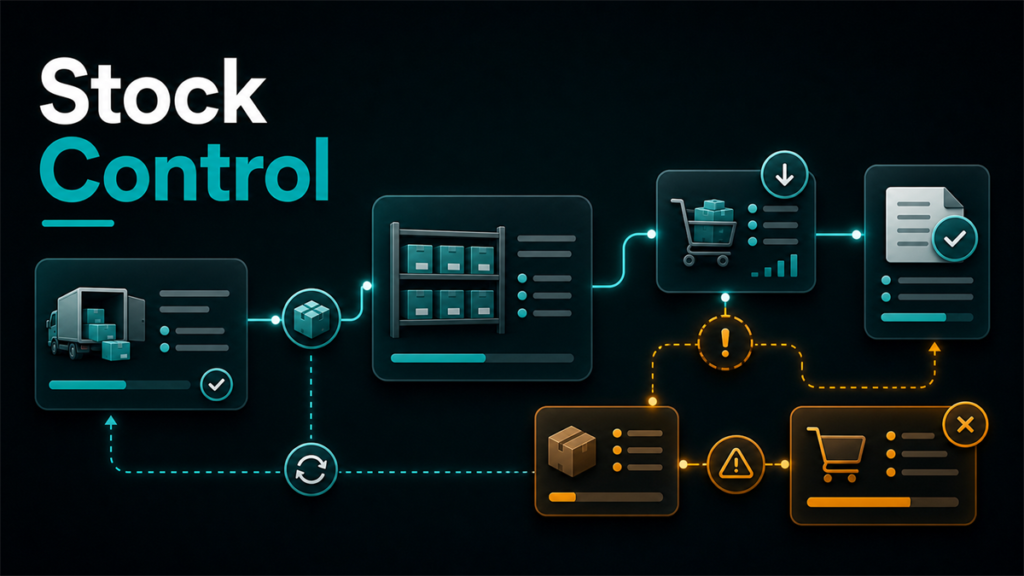
Sellers often describe lag as if it were one platform problem. In practice, lag is a chain problem.
Stock-control lag can begin when:
Walmart's WFS messaging highlights scale, flexibility, and support. That is real value. But the operational burden does not disappear. It shifts. Instead of packing orders yourself, you spend more time thinking about when to send stock, how much to send, and what happens if demand changes before replenishment lands.
The Stock-Control Mistakes That Hurt Sellers Most
1. Sending replenishment only after the item already feels tight
This is the most common mistake. By the time a planner feels nervous, the problem often began earlier. WFS inventory needs lead time for shipment preparation, transit, receipt, and sellable availability. Late decisions compress every part of that chain.
2. Treating inbound quantity as the same thing as usable cover
Teams often say, "We sent inventory, so we are covered." That is not the same as being covered. Stock is only useful once it is properly received and available for orders inside the channel's operating reality.
3. Using the same replenishment logic for every SKU
Fast movers, seasonal items, test items, and bulky or slow items should not all run on the same replenishment rhythm. A one-size-fits-all method usually creates under-shipment on winners and stranded capital on slower lines.
4. Ignoring marketplace-specific demand behavior
If Amazon is your main channel, it is easy to assume Walmart demand will behave similarly enough to share the same inventory cadence. That is risky. Walmart may need its own restock timing, especially if you are using separate promotions, pricing, or assortment strategy.
5. Failing to separate "on paper" stock from "trusted" stock
This is where phantom availability starts. The inventory system says units exist. The planner assumes those units are safe to sell. But the reality may be more fragile because of timing, location, or reconciliation gaps.
6. Letting the channel keep selling during unresolved inventory confusion
When the team is unsure whether stock counts, lead times, or receipt visibility are accurate, continuing to push demand without a check is usually the wrong move.
7. Reviewing stock only when there is already a problem
Reactive review is expensive review. A calm weekly control loop beats a late emergency every time.
What Better WFS Stock Control Looks Like
Good WFS inventory management is not glamorous. It is consistent.
The sellers who stay healthier on Walmart usually do five things well:
They plan to a buffer, not to zero
The question is not "when will we run out?" The better question is "how much cover do we want before replenishment becomes uncomfortable?"
They separate high-risk SKUs from normal SKUs
High-velocity items, seasonal items, and ad-supported items should get tighter review.
They connect replenishment to current selling strategy
If a SKU is about to be priced more aggressively, promoted harder, or pushed through a stronger visibility program, the stock plan should move first.
They review inventory and availability together
Not every stock issue is a pure quantity issue. Sometimes the more important question is whether the item is actually positioned to sell well at that moment.
They keep one clear source of truth
You can operate with multiple systems, but the team still needs to know which number it trusts most and which exceptions require manual review.
A Simple Weekly WFS Control Routine
Use one recurring review each week to reduce noise:
- Pull your current Walmart top sellers and check weeks of cover.
- Review inbound shipments that are supposed to relieve the tightest items.
- Flag any SKU where actual stock comfort depends on inventory not yet safely available.
- Review upcoming promotions, pricing changes, or ad plans that may raise demand.
- Separate "watch" SKUs from "act now" SKUs.
- Confirm whether any low-stock item should temporarily cool down on price or promotional pressure.
- Check for mismatches between system expectations and marketplace reality.
This routine is simple enough for a lean team and strong enough to prevent many avoidable channel mistakes.
Why Amazon Habits Often Fail Here
Amazon-first teams often carry two habits into Walmart that do not age well.
The first is overconfidence in shared replenishment logic. If one forecast model drives every marketplace, Walmart can quietly become the channel that gets the leftovers.
The second is assuming a fulfillment partner changes the need for stock discipline. It does not. WFS reduces operational burden in order handling. It does not replace inventory judgment.
Scenario: The Seller Who Was Always "About to Fix It"
A brand expanded a small set of winning SKUs into Walmart and enrolled them in WFS. Sales started well enough to build confidence. The team kept using the same planning cadence it used for Amazon overflow units. Each time stock looked tight, more inventory was prepared and shipped.
Nothing looked broken in isolation. But every decision was late by a little. Inbound stock was expected to cover demand before it was truly ready. One SKU dipped out of stock, then came back, then dipped again. The team blamed Walmart lag.
The real issue was the control loop. Replenishment was being triggered from discomfort instead of from forward coverage. Once the planner added a stock buffer, separated high-risk items, and reviewed inbound timing against active demand plans, the channel became much more stable.
FAQ
Does WFS eliminate stockouts?
No. WFS can improve fulfillment operations, but stockouts still happen when replenishment timing, inventory visibility, or planning discipline is weak.
Should Walmart share the same buffer as Amazon?
Not automatically. Each channel can have different demand behavior, promotions, and operational pressure.
Is received inventory immediately safe to count as available cover?
Teams should be careful here. Inventory movement through the channel has stages, and planners should avoid assuming every inbound unit solves the problem instantly.
What is the first sign of weak WFS stock control?
Repeated tight-stock situations, unstable availability, and last-minute replenishment decisions are usually stronger warning signs than a single out-of-stock event.
How often should I review WFS inventory health?
Weekly at minimum for active items, with closer monitoring on high-velocity or promoted SKUs.
WFS Works Best With Strong Planning Upstream
The strongest WFS sellers do not treat the service like a passive shipping convenience. They treat it like a fulfillment engine that still needs good stock decisions feeding it. That means clean buffers, clear source-of-truth logic, and a replenishment routine that moves before the pressure becomes obvious.
If your team is balancing Walmart alongside Amazon and other channels, inventory decisions need to work across the whole system, not channel by channel in isolation. Qubeq helps sellers tighten those marketplace operations through other marketplace operations and practical cross-channel inventory thinking. If you want help diagnosing where lag is really starting, reach out here.