Affiliate commission on TikTok Shop is not just a marketing tactic. It is a cost-of-sale decision tied to margin, refunds, and creator quality. If a seller sets commission rates without thinking through those three things, the program can look active while quietly weakening contribution.
Key Takeaways
- TikTok Shop affiliate relationships are commission-based between sellers and creators.
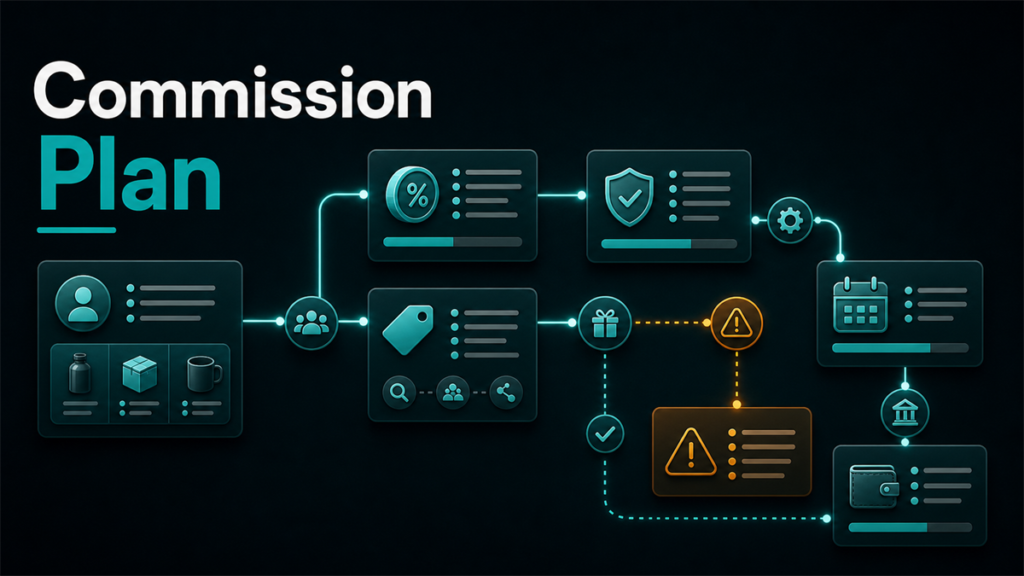
- TikTok's official materials explain commission in formula terms: revenue minus refunds multiplied by the commission rate.
- Commission planning should be tied to product margin, expected refund behavior, and the kind of creator partnership the seller wants.
- Higher commission does not guarantee better creators or better traffic.
- The strongest seller-side plan treats affiliate commission as structured economics, not as "extra ad spend."
What Affiliate Commission Means on TikTok Shop
TikTok Shop's affiliate model lets sellers make products available to creators who promote them through videos, lives, and other creator-led formats. When those promotions drive qualifying sales, the creator earns commission.
That sounds simple, but for the seller the question is more complex:
If those questions are not answered first, the seller is not really setting a strategy. They are just setting a number.
Why Commission Planning Has to Start With Margin
The seller who thinks, "We will just raise commission until creators care," is usually solving the wrong problem.
Commission comes after product cost, platform costs, shipping, packaging, and refund exposure. That means a rate that looks attractive in isolation can still be expensive in practice.
The cleanest starting questions are:
You do not need a perfect finance model to ask these. You just need to stop treating commission as if it exists outside the rest of the order.
Refunds Change the Real Economics
TikTok's own commission documentation matters here because it makes one point very clear: refunds affect the final economics. That means seller-side planning should never assume the displayed commission number is the full story.
This is especially important for products with:
A seller with those risks should think about commission much more conservatively than a seller with stable repeatable products and low refund exposure.
How to Think About Rate Setting
There is no universal "right" commission rate because product economics and creator fit vary too much. But there are healthy ways to think about the decision.
Use rate bands, not one default number
Products with stronger margins and lower refund risk can often support more aggressive creator payouts than fragile products.
Separate test products from scale products
It is reasonable to test creator interest on a smaller set of items before opening a wider catalog.
Decide whether you want openness or selectivity
Some commission setups are designed to attract a wider pool of creators. Others are designed to support narrower, more intentional partnerships. A seller should know which one they are trying to build.
Avoid solving weak product-market fit with commission
If creators or shoppers do not respond because the product or offer is weak, a higher commission rate is not the right first fix.
Common Seller Mistakes
Treating affiliate commission like ad spend
It is related to marketing, but it sits closer to order economics than many sellers admit.
Forgetting the refund layer
Refund-sensitive products need more careful commission planning.
Using one rate across the full catalog
Different products deserve different logic.
Chasing creators only with higher rates
Quality of fit, clarity of offer, and content alignment still matter.
Ignoring the difference between early testing and long-term operating rates
A temporary launch tactic should not become a permanent default without review.
A Practical Planning Routine
Before setting rates, review:
- product margin by SKU
- refund sensitivity
- shipping and packaging burden
- whether the product is visually strong enough for creator-led conversion
- whether the goal is broad creator access or tighter curated partnerships
Then split the catalog into:
- safe to test more aggressively
- usable but commission-sensitive
- not a good affiliate product yet
That framing gives the seller much better control than simply setting one default rate and hoping for the best.
Scenario: The Rate Increase That Solved Nothing
A brand launched affiliate access on TikTok Shop and saw weak creator participation. The first reaction was to raise commission. Some activity increased, but orders were inconsistent and refunds were higher than expected.
The problem was not only the rate. The product set was too broad, some items had weak margin room, and the team had not separated creator-friendly products from operationally fragile ones. Higher commission made the system louder, not healthier.
Once the brand narrowed the catalog, reviewed refund sensitivity, and used commission more selectively, the creator program became easier to manage.
FAQ
How is TikTok Shop affiliate commission calculated?
TikTok's official materials state that commission is tied to revenue minus refunds multiplied by the commission rate. Sellers should verify the current live wording before publishing or policy decisions.
Should every product have the same commission rate?
Usually no. Margin, refund profile, and creator fit differ by SKU.
Is higher commission always better?
No. Higher commission can attract more attention, but it does not guarantee better creators or healthier profit.
What should sellers review before raising commission?
Margin room, refund behavior, creator fit, and whether the product is actually ready for larger creator exposure.
Is affiliate commission just another ad cost?
Not really. It behaves more like a payout tied directly to order performance.
Creator Growth Works Better When the Unit Economics Make Sense
TikTok Shop affiliate commission can be powerful, but only when it is built on honest product math and a realistic view of returns. The strongest seller programs do not chase creators with loose economics. They create a product set and commission structure that can survive success.
If your team is trying to balance growth, margins, and marketplace operations across channels, Qubeq helps sellers think through that bigger system through other marketplace operations. If you want help pressure-testing your creator-commerce economics before scale, start here.