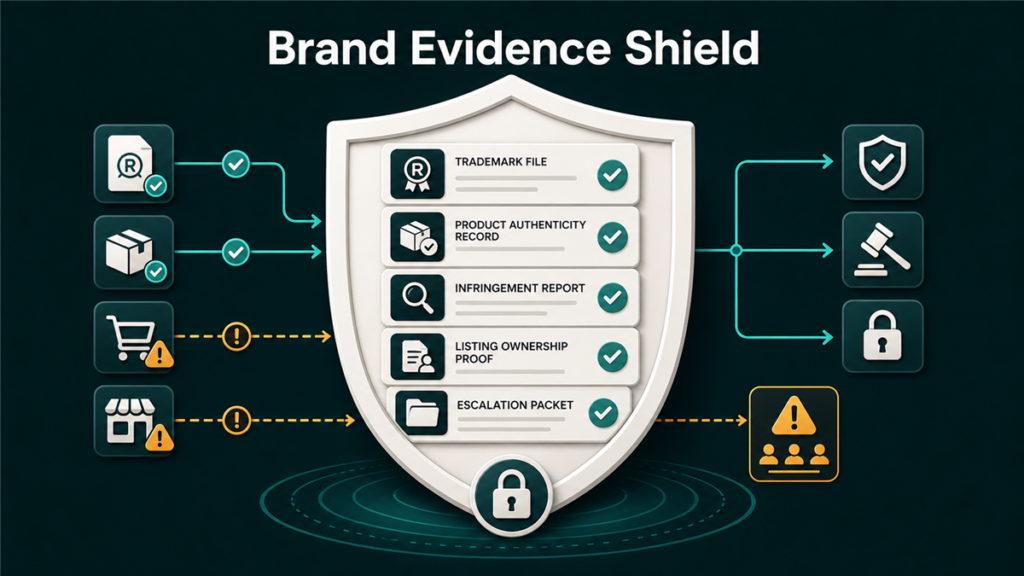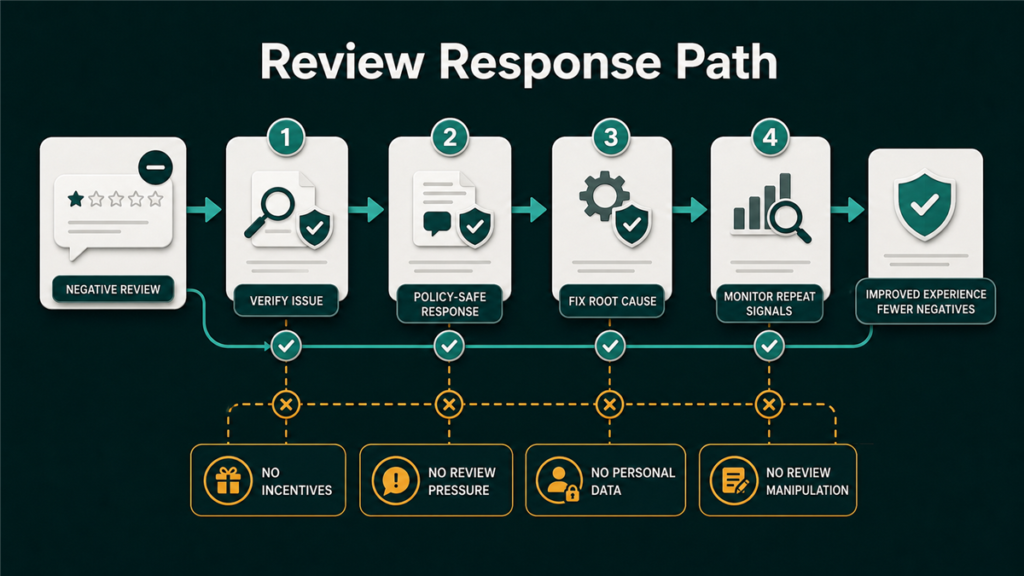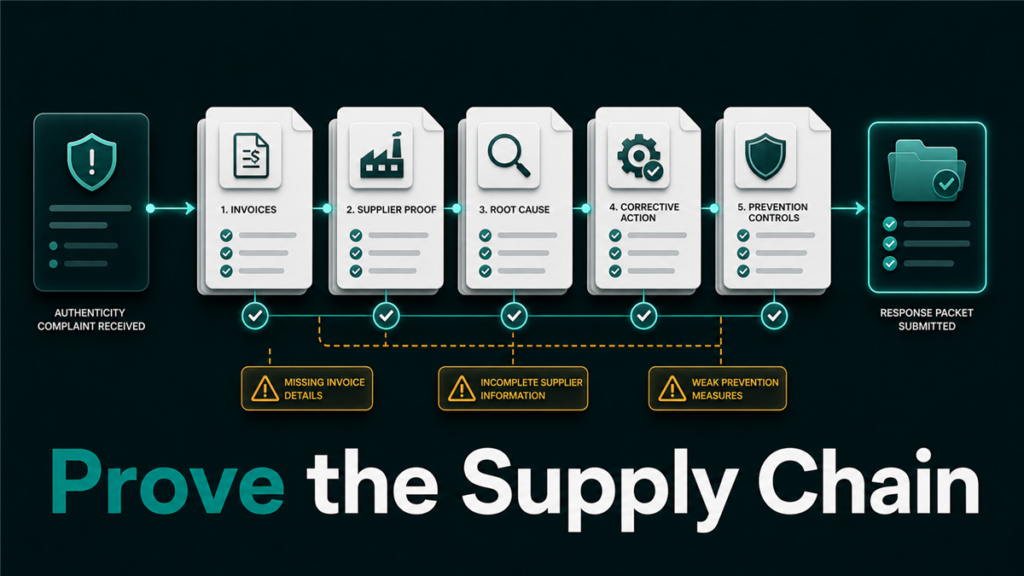

An Amazon Account Health audit checklist helps sellers review policy violations, performance metrics, warnings, appeal status, evidence gaps, and repeat-risk patterns before the account becomes harder to protect. The audit should focus on what Amazon has flagged, what the team has already answered, and what must change operationally to prevent the same issue from returning. how Account Health Assurance fits into the workflow.
Key Takeaways
- Account health work should start with active violations and urgent warnings, not generic performance advice.
- The Account Health Dashboard is a risk-monitoring tool, but the seller still needs an internal evidence and follow-up system.
- A good audit separates one-time issues from recurring operational failures.
- Appeals and plans of action should be evidence-led, concise, and tied to root cause correction.
- Policy-sensitive claims must be verified against current Amazon documentation before publishing or filing.
What Is an Amazon Account Health Audit?
An Amazon Account Health audit is a structured review of the seller account's policy status, performance signals, violation history, appeal records, documentation, and operational controls. The goal is to identify active risks, resolve open issues, and prevent repeat violations.
The audit is not the same as checking a score once. A real account health audit connects Amazon's visible warning to the underlying process that caused the warning. For example, a product authenticity complaint may require invoice review, supplier documentation, listing claim cleanup, and internal sourcing controls.
Why Account Health Audits Matter
Account health audits matter because Amazon sellers can lose selling privileges, listing access, or category eligibility when policy issues are ignored or handled poorly. The earlier a team identifies risk, the more options the team usually has.
Amazon has public guidance explaining that sellers can monitor account health through Seller Central and that Account Health Rating gives sellers visibility into the overall state of the account. Those tools are useful, but they are not a substitute for internal case tracking, document control, and root cause review.
Amazon Account Health Audit Checklist
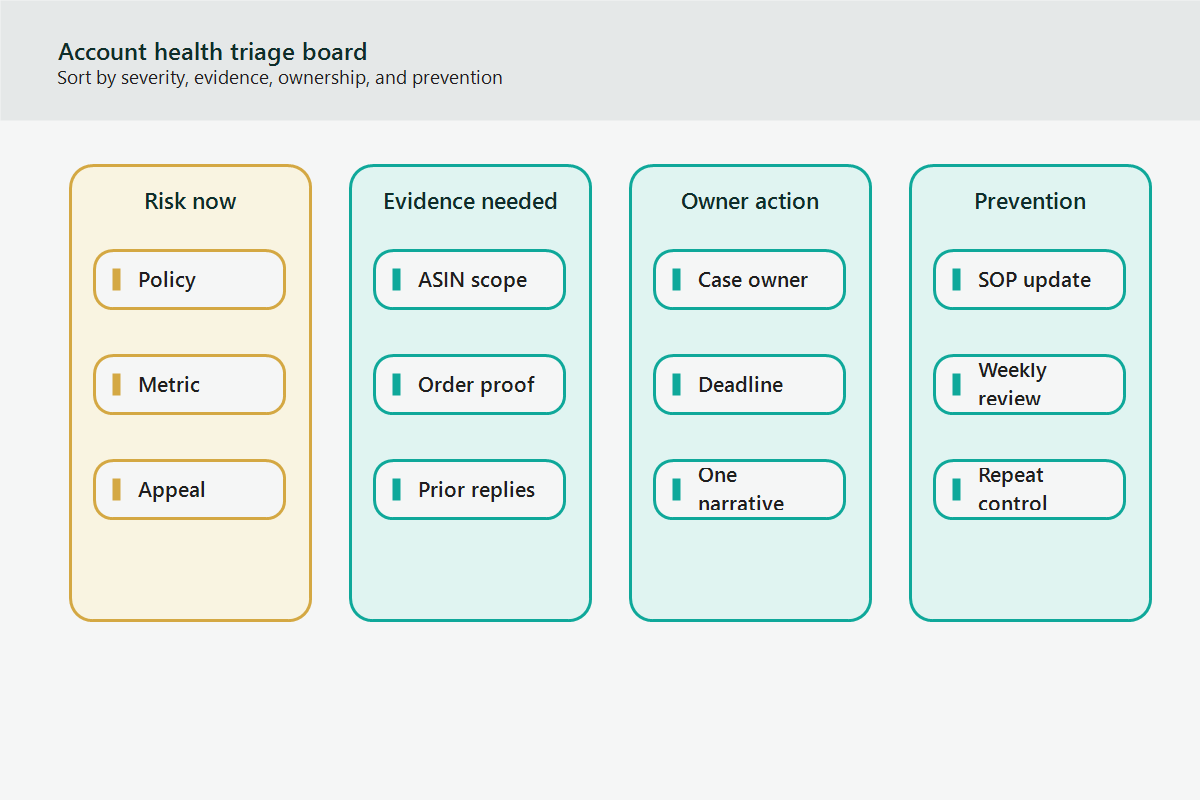
Use this checklist in priority order. Start with what can affect account status now.
1. Review Active Account Health Warnings
Active warnings are the first priority because they represent issues Amazon has already flagged. Do not bury these warnings under general optimization work.
Record:
- Warning or violation type
- Affected ASIN, SKU, or account area
- Date received
- Deadline, if shown
- Current status
- Required action
- Evidence needed
- Person responsible
If a warning includes a deadline, build the response plan around that deadline. Do not wait until the last day to gather evidence.
2. Review Policy Violations by Severity
Policy violations should be grouped by severity and business risk. A high-severity issue affecting account status should not be treated the same as a minor listing edit request.
Review:
- Product authenticity complaints
- Intellectual property complaints
- Product safety or compliance requests
- Restricted product issues
- Listing policy violations
- Condition complaints
- Misuse of ratings, reviews, or variation relationships
- Seller Code of Conduct concerns
For each issue, identify whether the violation is active, appealed, resolved, rejected, or waiting for documentation.
3. Check Performance Metrics
Performance metrics help sellers spot operational problems before they become broader account health issues. The exact metrics and thresholds can vary by marketplace and fulfillment model, so verify current Seller Central guidance before taking action.
Review:
- Order defect signals
- Late shipment signals for seller-fulfilled orders
- Cancellation signals
- Valid tracking issues
- Customer service performance
- Buyer messages or response gaps where relevant
The audit should not only ask whether a metric is above or below a target. The audit should ask what caused the metric movement and what operational step will prevent a repeat.
4. Review Appeal and Case History
Appeal history shows whether the team is learning from previous issues or repeating the same weak response pattern. A rejected appeal often reveals missing evidence, unclear root cause, or vague corrective action.
Review:
- Open cases
- Closed cases
- Appeal submissions
- Amazon responses
- Rejected appeals
- Documents requested
- Documents submitted
- Repeat language or copy-paste issues
The account health audit should flag any case where the seller keeps reopening the same issue without new evidence. Repeating the same argument usually weakens the path forward.
5. Build an Evidence Inventory
Evidence should be organized before an urgent violation appears. Waiting until the account is under pressure makes the response slower and weaker.
Maintain:
- Supplier invoices
- Purchase orders
- Authorization letters
- Product safety documents
- Compliance certificates
- Test reports where required
- Product images and packaging photos
- Shipment and delivery evidence
- Internal SOPs for corrected workflows
Evidence should match the affected product, date range, supplier, and marketplace. Generic documents often fail because they do not connect clearly to the flagged ASIN or complaint.
6. Identify Root Causes
Root cause review is the difference between closing one warning and reducing future risk. The audit should identify whether the issue came from catalog data, sourcing, compliance, customer experience, fulfillment, staff training, or case handling.
Use a simple root cause table:
| Issue Type | Possible Root Cause | Preventive Control |
| Authenticity complaint | Weak supplier documentation | Approved supplier file and invoice review |
| IP complaint | Listing copy or image used without rights | Creative review before listing upload |
| Product safety request | Missing compliance documents | Pre-launch compliance checklist |
| Condition complaint | Warehouse quality control gap | Inspection and packaging SOP |
| Listing violation | Unsupported claim in content | Claim review before publishing |
Do not write a plan of action before the root cause is clear.
7. Review Team Ownership
Account health problems often get worse when no one owns the next step. Each issue should have one accountable owner, one deadline, and one source of truth.
Track:
- Issue owner
- Internal reviewer
- Evidence owner
- Appeal writer
- Deadline
- Status
- Next follow-up date
If five people are editing one response with no owner, the final appeal may become vague or inconsistent.
8. Check Repeat-Risk Patterns
Repeat issues deserve deeper attention than isolated issues. If the same complaint type appears multiple times, the account has an operating problem, not just a case problem.
Look for patterns by:
- Product line
- Supplier
- Warehouse
- Marketplace
- Listing writer
- Category
- Claim type
- Fulfillment method
Repeat patterns should trigger SOP changes. The purpose of account health work is not to become better at appeals. The purpose is to reduce the need for appeals.
Account Health Audit Workflow
Use this workflow when reviewing the account:
- Export or record all active warnings and violations.
- Sort by severity, deadline, and commercial impact.
- Match each issue to its affected ASIN, SKU, or account area.
- Gather evidence before drafting a response.
- Identify root cause and corrective action.
- Draft the appeal or response only after the evidence is clear.
- Track case ID, response status, and next action.
- Update internal SOPs when the issue reveals a process gap.
The workflow should be repeated weekly for at-risk accounts and monthly for healthy accounts.
Mini-Scenario: The Rejected Appeal Loop
A seller receives a policy warning on a high-volume ASIN and submits an appeal within an hour. Amazon rejects the appeal. The team resubmits the same explanation with different wording, and the second response is rejected again.
During the audit, the team finds the real problem: the response explains what the seller believes happened, but it does not attach supplier evidence or describe what changed internally. The corrected response includes the affected ASIN, invoice evidence, root cause, corrective action, and preventive control.
The lesson is simple: account health responses should be built from evidence, not urgency.
FAQ
What is an Amazon Account Health audit?
An Amazon Account Health audit is a structured review of policy violations, warnings, performance metrics, appeal history, evidence, and operating controls that affect seller account stability.
How often should sellers check Account Health?
Sellers with active warnings should check Account Health daily until the issue is resolved. Healthy accounts should still review Account Health regularly, with a deeper internal audit monthly.
What should sellers do first when a violation appears?
Record the violation details, deadline, affected ASIN or account area, requested action, and required evidence. Do not submit a rushed appeal before reviewing the root cause and documentation.
Can a good appeal guarantee account reinstatement?
No. No appeal can guarantee reinstatement or approval. A strong response can improve clarity by addressing the issue with evidence, root cause, corrective action, and prevention steps.
Can Qubeq help with Amazon Account Health issues?
Yes. If your team is dealing with policy warnings, unresolved cases, or repeat account health issues, Qubeq can review the account and identify the operational gaps behind the visible warning.
Treat Account Health as an Operating System
Amazon Account Health work should not begin only when the account is at risk. The best time to organize evidence, assign ownership, and fix weak processes is before an urgent warning appears.
If your team is handling repeated policy issues, unresolved appeals, or unclear Seller Central warnings, Qubeq can help review the account, organize the evidence, and create a cleaner operating path forward.