
Quartile is an AI-driven advertising optimization platform for retail media: it manages and optimizes pay-per-click campaigns across Amazon and other marketplaces, using automation rather than hands-on bid changes to chase efficiency at scale. The short answer: for brands spending enough across enough marketplaces that manual management has become the bottleneck, an AI platform like Quartile can be a genuine lever. For smaller spenders or brands that want full hands-on control of every bid, the trade-offs deserve a hard look first.
This review is written from an operator's perspective. No affiliate relationship, no manufactured star rating. Just how the platform works, where it earns its place, where the AI-automation model costs you, and who it fits.
Key Takeaways
- Quartile applies AI-driven automation to retail-media PPC across Amazon and other marketplaces, optimizing bids and structure at a scale that is hard to match by hand.
- Its core value is cross-marketplace breadth plus automation: one engine working across channels that would otherwise each need separate manual attention.
- The trade-off of automation is reduced granular control and less transparency into every decision the model makes. Operators who need to see and steer every bid feel this.
- It fits brands and agencies with meaningful, multi-marketplace spend; it is heavier than a small single-marketplace advertiser needs.
- Pricing models for managed/AI ad platforms often scale with spend or sit at a higher tier than self-serve tools; confirm the current model and minimums before committing.
How Quartile Works
At a high level, Quartile connects to your retail-media advertising accounts and applies machine-driven optimization to the campaigns rather than relying on a human adjusting bids and keywords manually. The platform's stated value spans:
The exact feature set, the marketplaces and retail-media networks supported, and how the AI is configured and constrained change over time and by engagement, so treat the above as the shape of the platform and confirm current specifics before relying on any one capability.
Who Quartile Is For
Brands with meaningful, multi-marketplace spend
This is the core fit. When advertising spans Amazon plus other marketplaces and the budget is large enough that manual management across all of them is genuinely a full-time job, an AI platform that works every channel continuously can recover efficiency and time that manual cadences leave on the table.
Agencies and operators managing scale
For a team running ads across many accounts and channels, automation provides leverage: the model handles the high-frequency bid work, freeing operators for strategy, structure, and the decisions automation should not make alone.
Brands prioritizing efficiency at scale over hands-on control
If the goal is to hit efficiency targets across a large, complex account and you are comfortable delegating the minute-by-minute optimization to a model, the trade favors the platform.
Who It Is Not For
Strengths
Limitations
How an Operator Uses Quartile
In a managed workflow, an AI ad platform is the engine, not the driver. The operator's job shifts from making bids to setting the right objectives, structuring the account so the model has clean inputs, and reviewing performance to confirm the automation is moving toward the goal and not optimizing into a corner. The platform handles the high-frequency work; the operator owns strategy, guardrails, and the periodic sanity check that catches a model chasing the wrong target. Used this way, automation is leverage. Used as a set-and-forget, it can quietly drift.
Mini-Scenario: When Automation Needed a Human Goal
A multi-marketplace brand moved its advertising onto an AI platform expecting efficiency to improve automatically. For the first weeks results were mixed, and the team's instinct was that the automation was underperforming. The real issue was upstream: the efficiency target had been set without distinguishing between mature SKUs that should be milked for profit and new SKUs that needed aggressive spend to build rank. The model was optimizing every campaign toward one blended target, efficiently pulling spend off the new products that needed it. Once the goals were split by product stage, the automation worked as intended. The lesson was not about the tool; it was that automation is only as good as the objective a human gives it.
FAQ
Is Quartile worth it for advertisers?
For brands and agencies with meaningful, multi-marketplace retail-media spend where manual management has become the bottleneck, an AI platform can be a genuine efficiency and time lever. Small or single-marketplace advertisers, and operators who want full hands-on control, should weigh the trade-offs carefully first.
Does Quartile replace a PPC manager?
Not exactly. It changes the manager's job from making bids to setting objectives, structuring the account, and reviewing the automation's direction. The high-frequency optimization is automated; the strategy and guardrails still need a human.
How does AI-driven bidding compare to manual PPC management?
AI bidding wins on scale and continuity, optimizing many campaigns across channels faster than any manual cadence. Manual management wins on granular control and transparency. The right choice depends on spend size, channel count, and how much hands-on control you need.
What marketplaces does Quartile support?
It positions itself as a cross-marketplace retail-media platform spanning Amazon and additional channels, but the exact supported marketplaces and retail-media networks change over time. Confirm the current list against your specific channels before committing.
How does Quartile pricing work?
Managed and AI ad platforms in this category commonly price as a share of ad spend or at a higher tier than self-serve tools, sometimes with minimums. Confirm the current pricing model, minimums, and terms with the vendor before committing, as these structures vary and change.
The Verdict
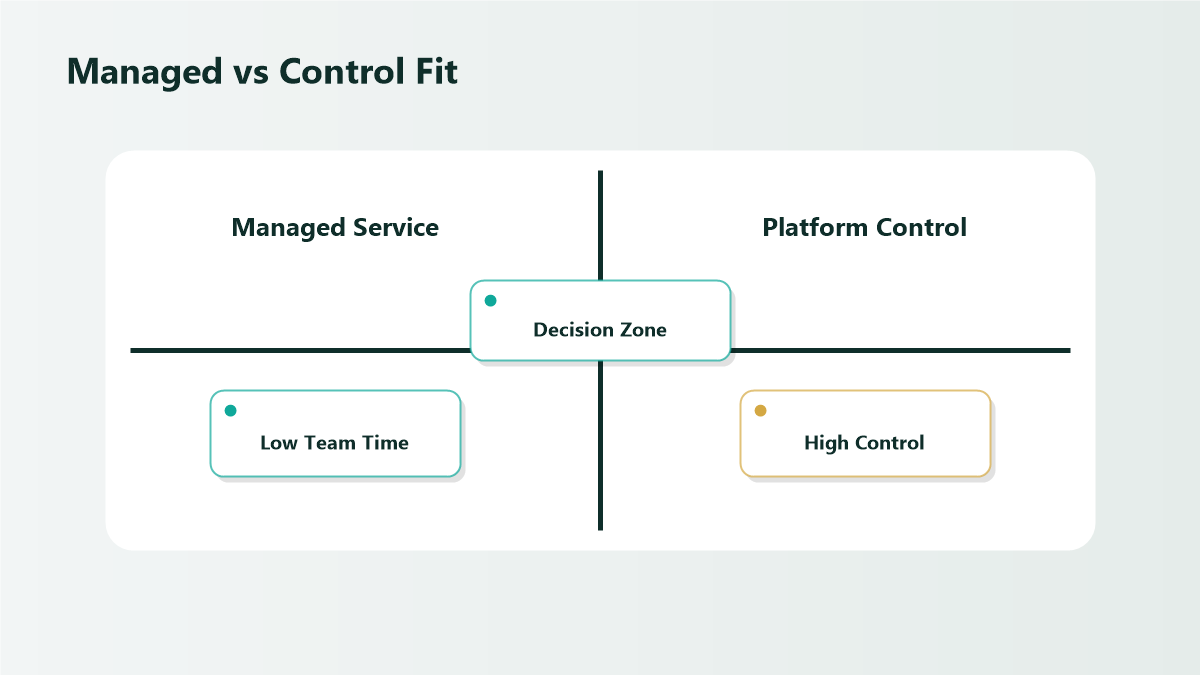
Quartile makes its case for brands and agencies whose retail-media spend has outgrown manual management across multiple marketplaces. The combination of cross-channel breadth and continuous AI optimization is real leverage when the account is large and complex and the objectives are set well. The trade-offs, reduced granular control, variable transparency, and cost that scales with spend, are not dealbreakers but they are real, and they make the platform a poor fit for small single-channel advertisers or operators who need to steer every bid. If you want help deciding whether AI-driven automation fits your advertising operation, or whether managed or in-house management serves you better, Qubeq can assess your spend and channel mix and recommend the right model.