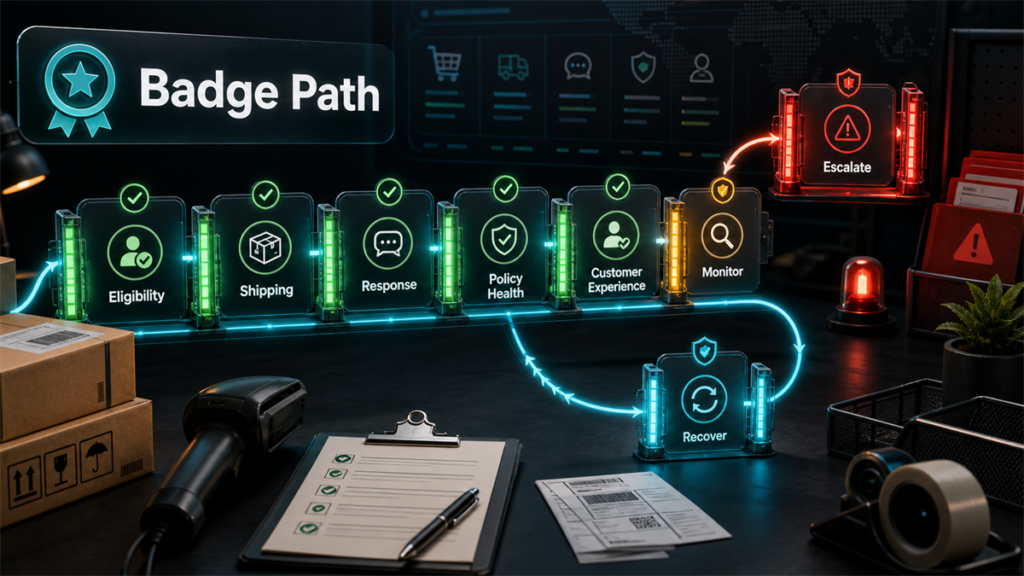
The Walmart Pro Seller Badge is a small mark with an outsized job: it tells a shopper, at a glance, that the seller behind a listing operates to Walmart's higher standard. You do not buy it and you do not apply for it in the usual sense. You earn it by running a clean, fast, well-stocked operation over time, and you keep it only as long as that stays true. This guide explains what the badge represents, the kinds of standards behind it, why it moves conversion, and a concrete plan to qualify.
Key Takeaways
- The Pro Seller Badge is a trust signal Walmart awards to sellers who meet its performance and operational bar; it is earned through behavior, not purchased.
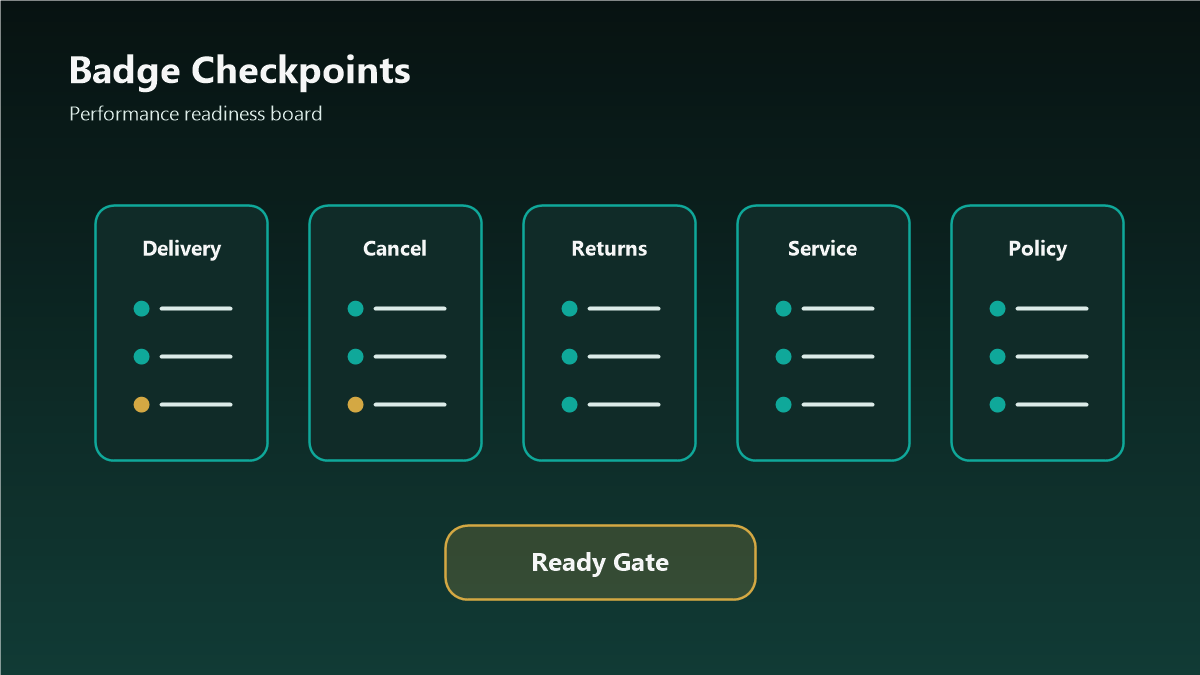
- Qualification rests on a few pillars: order fulfillment quality, on-time delivery, low cancellations and defects, responsive customer service, catalog quality, and active selling history.
- It is a rolling status. Slipping below standard on the underlying metrics can remove the badge, so maintenance matters as much as qualification.
- The badge tends to lift buyer confidence and conversion, which is the real reason to chase it.
- A seller who manages the underlying operational metrics well usually earns the badge as a byproduct rather than a separate project.
What the Pro Seller Badge Actually Is
The badge is a visual endorsement that appears in association with qualifying sellers' listings. Its purpose is to reduce a shopper's hesitation: on a marketplace with many third-party sellers, the badge marks the ones Walmart considers proven operators. Think of it as Walmart vouching, in a small way, for the seller's reliability.
Critically, the badge reflects the seller's overall account health, not the quality of a single product. That means it is won and lost at the account level, and a strong listing on a weak account will not display it.
The Pillars Behind Qualification
Walmart bases the badge on a combination of performance and operational standards. The exact metric names, thresholds, and lookback windows are set by Walmart and change over time, so treat the following as the shape of what matters rather than fixed numbers to chase.
Fulfillment and delivery quality
The strongest single theme is delivering what you promised, on time, intact. That covers on-time shipping, on-time delivery, valid tracking, and keeping cancellations and delivery defects low. Sellers using Walmart Fulfillment Services or a well-run fast-shipping program tend to clear this pillar more easily because the operational risk is contained.
Order defect and cancellation rates
Walmart watches the rate at which orders go wrong: seller-initiated cancellations, late shipments, and returns or refunds tied to seller fault. Keeping these defect rates under Walmart's bar is usually the hardest part for newer sellers, because a small number of bad orders moves the percentage sharply when volume is low.
Customer service responsiveness
Answering customer messages quickly and resolving issues without escalation feeds the picture of a reliable seller. Slow or absent responses work against the badge even when fulfillment is otherwise clean.
Catalog quality and selling history
Complete, accurate, well-attributed listings and a track record of actual selling activity both contribute. Walmart wants to see a seller who is genuinely operating, not a dormant account.
Why the Badge Is Worth the Work
The badge matters because shoppers respond to it. On a page where a buyer is choosing between similar offers, a visible trust mark lowers the perceived risk of buying from a third party they have never heard of. That tends to show up as higher conversion on badged listings. The badge can also support visibility, because Walmart has reason to surface offers from sellers it trusts.
The honest framing for an operator: the badge is a reward for doing the operational work that already protects your account from suspension and your margins from refund leakage. You would want low defect rates and fast shipping regardless. The badge is the upside.
A Practical Plan to Qualify
- Pull your current performance metrics from your Seller Center performance area and find which pillar is weakest. Most sellers have one clear gap.
- Attack fulfillment first. Tighten ship times, confirm tracking flows automatically, and consider a fulfillment program for your fastest-moving SKUs to remove human error from the delivery promise.
- Drive cancellations toward zero. The most common cause is selling inventory you cannot ship, so tighten inventory sync between channels so you never oversell.
- Set a customer-message response standard your team can hit every day, including weekends, and staff to it.
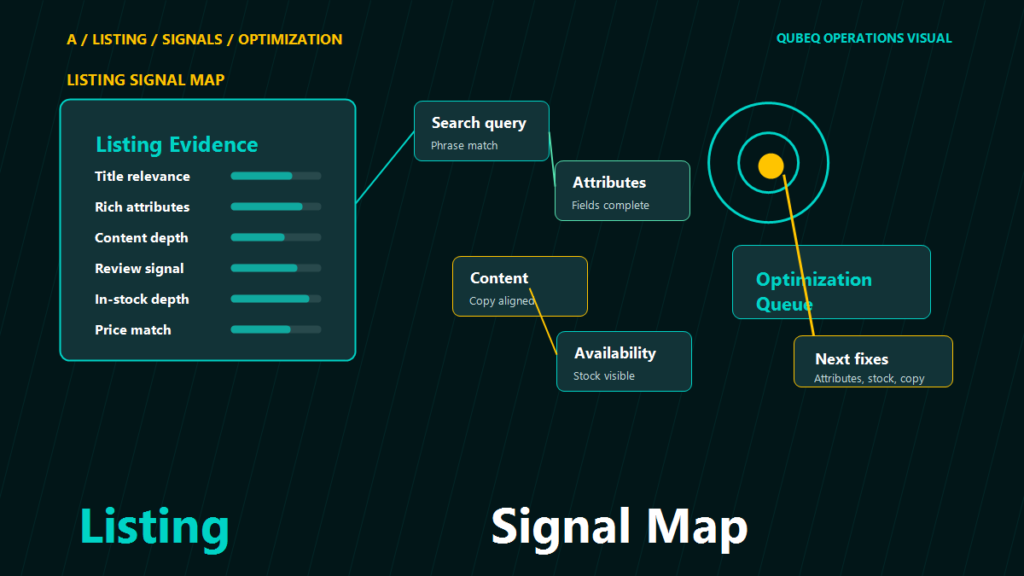
- Clean the catalog: complete attributes, accurate descriptions, correct categories. Quality issues here are slow-burning drags.
- Then hold the line for the lookback period. The badge rewards sustained performance, so consistency over weeks matters more than a single good day.
What "good" looks like: defect and cancellation rates comfortably below Walmart's bar with margin to spare, near-total on-time delivery, customer messages answered within hours, and a catalog with no quality flags. Hit that and the badge tends to follow.
Mini-Scenario: The Cancellation Rate That Cost the Badge
A home-goods seller had the badge, then lost it after a strong sales week. Nothing about their listings had changed. The cause was a warehouse move that left inventory counts stale for several days; orders came in for units that were physically in transit, and the team cancelled them rather than ship late. The cancellations alone pushed the seller-fault defect rate over Walmart's line, and the badge dropped. The fix was not a new listing or an appeal; it was real-time inventory sync so available counts never promised stock the warehouse could not ship. The badge returned once the metric recovered over the following lookback window.
FAQ
How do I apply for the Walmart Pro Seller Badge?
You do not apply. Walmart evaluates qualifying accounts automatically based on performance and operational standards, and the badge appears once you meet them.
Why did I lose the Pro Seller Badge I already had?
The badge is a rolling status tied to your current metrics. A spike in cancellations, late shipments, defects, or service lapses can pull you below the bar and remove it until your numbers recover.
Does the Pro Seller Badge actually increase sales?
It tends to raise buyer confidence on the listing, which commonly shows up as higher conversion, especially against unbadged competitors. Treat any specific lift figure as something to measure on your own account.
Do I need Walmart Fulfillment Services to get the badge?
No, but a reliable fulfillment program of any kind makes the delivery and defect pillars far easier to clear, because it removes much of the manual error that drives late shipments and cancellations.
How long does it take to earn the badge?
It depends on Walmart's lookback window and how far your metrics sit from the bar. Plan for sustained performance over weeks rather than an overnight switch.
Earn the Badge by Earning the Trust
The Pro Seller Badge is downstream of operations done well: ship on time, never oversell, answer customers fast, keep the catalog clean. Manage those and the badge tends to arrive on its own. If your account is close but not clearing the bar, or you lost the badge and cannot see why, Qubeq can audit your Walmart performance metrics, find the pillar holding you back, and build the operational plan to qualify and hold the status.