
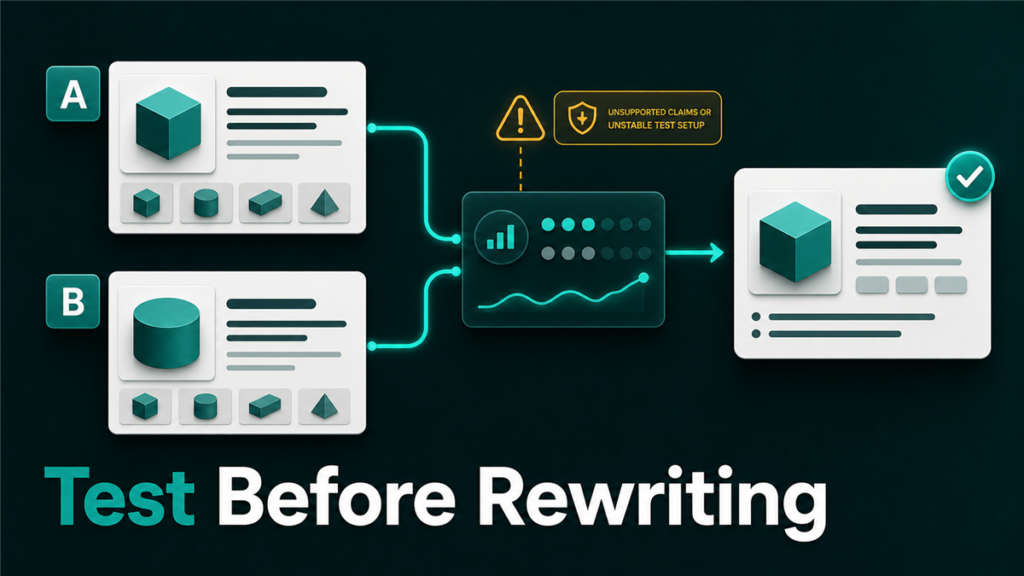
Amazon Manage Your Experiments: A Practical Guide For Sellers
Amazon Manage Your Experiments helps eligible brand owners test listing content, but the best results come from focused hypotheses, clean catalog setup, and disciplined follow-through.

Amazon Manage Your Experiments helps eligible brand owners test listing content, but the best results come from focused hypotheses, clean catalog setup, and disciplined follow-through.
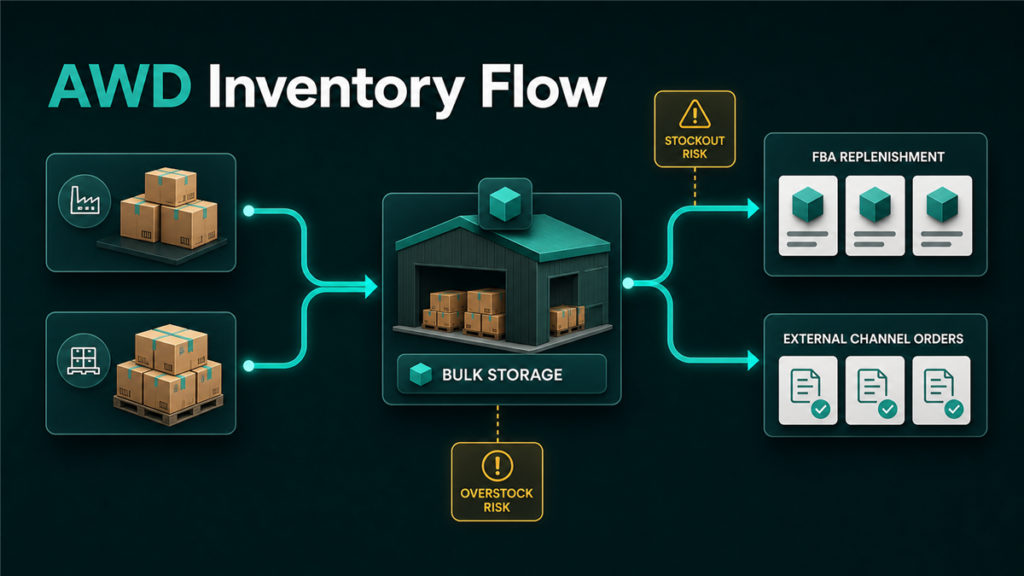
Amazon AWD can support cleaner replenishment, but only when sellers use it with SKU-level planning, listing checks, and weekly inventory controls.

A+ rejections trace to a handful of rule families: claims, pricing language, contact info, and image rules. Find the violation, sweep for it, resubmit once.
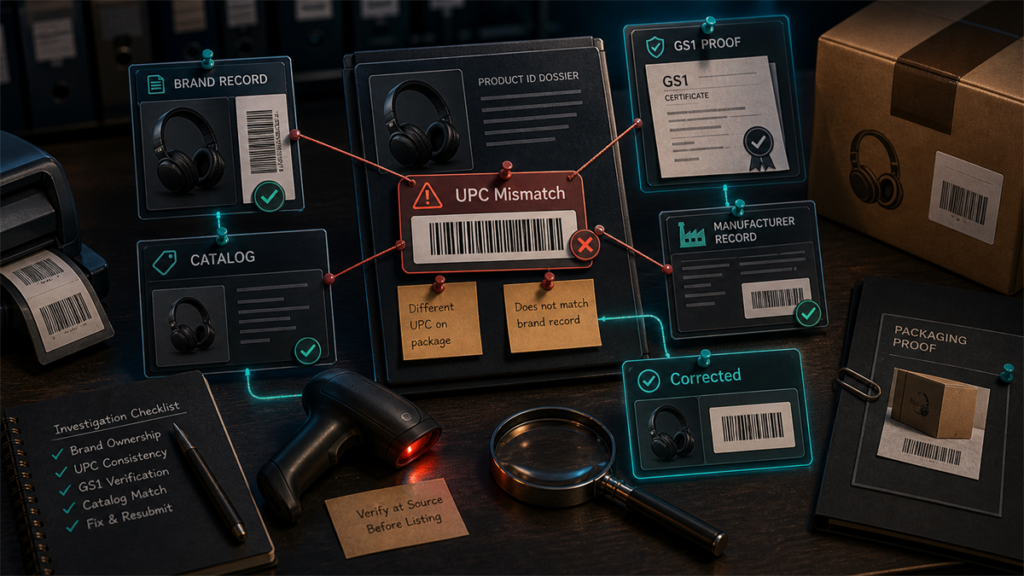
Amazon validates UPCs against GS1 ownership records. Learn the three rejection patterns, how to verify any code, and the fix for each.
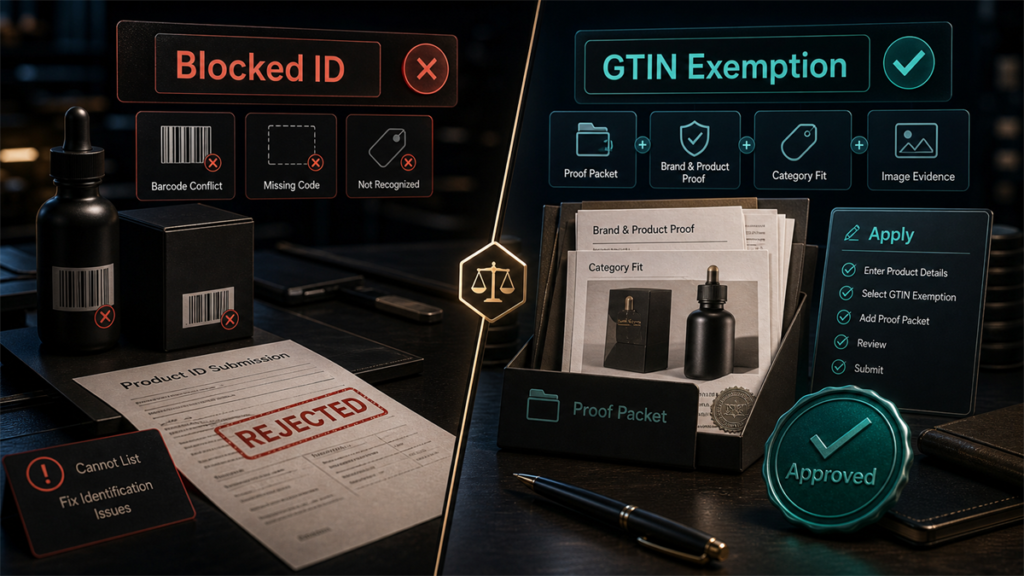
GTIN exemptions let you list products without barcodes, but brand-name mismatches sink most applications. Here is the workflow that gets approved.
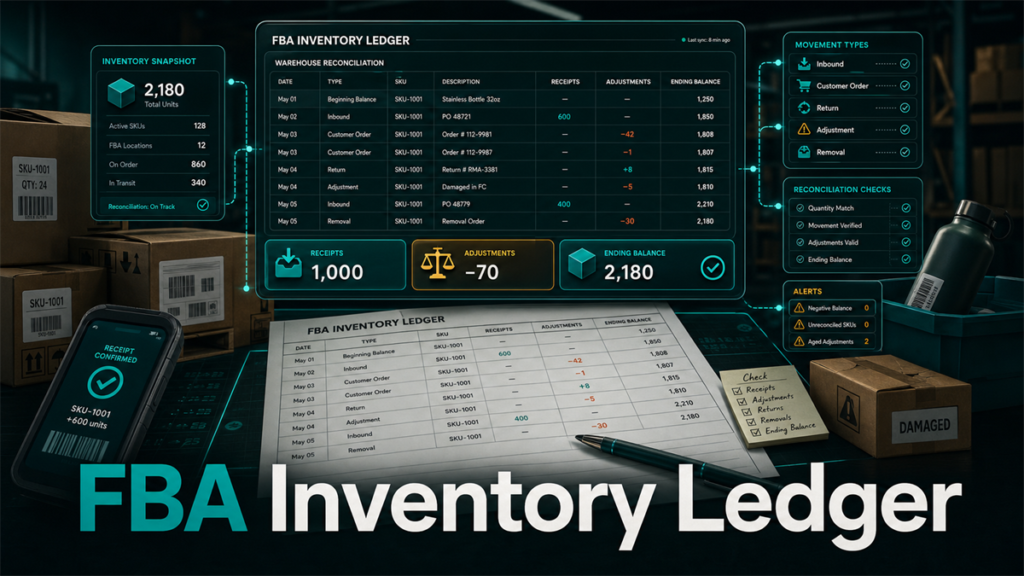
The FBA Inventory Ledger records every unit movement in Amazon’s network. Learn to read both views, trace units, and turn unexplained losses into claims.
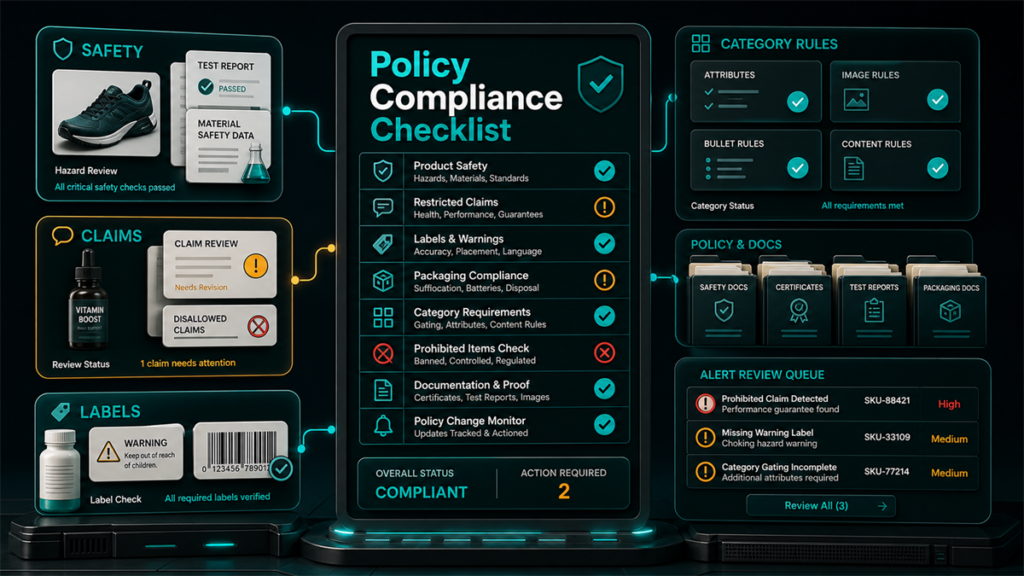
Seven checklist blocks that catch policy violations before they reach the Account Health Rating: eligibility, claims, IP, identifiers, condition, regulated docs, and the re-check cadence.
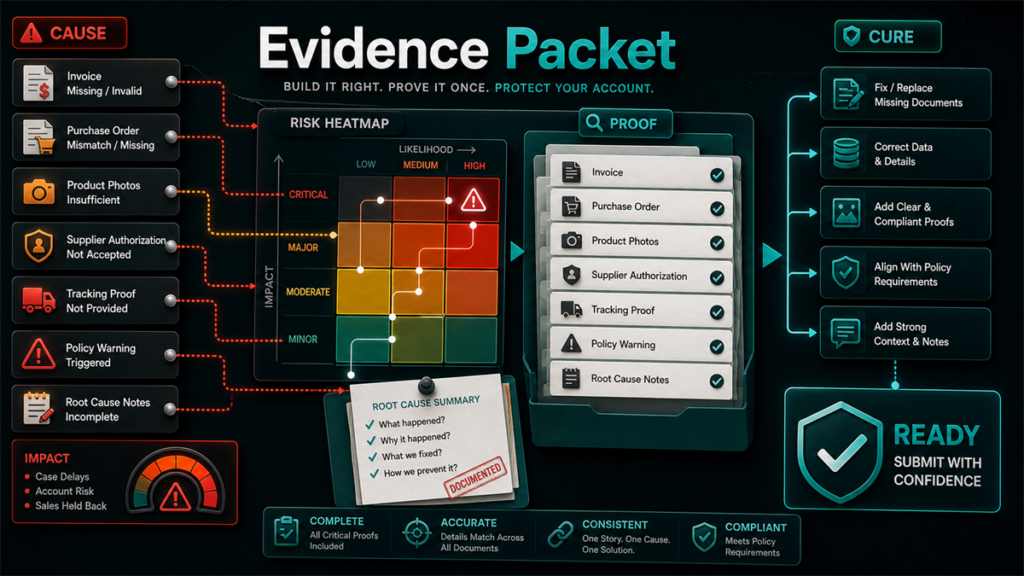
Cases and appeals fail when evidence is assembled after the writing. Build a standing library and a five-part packet that wins first submissions.
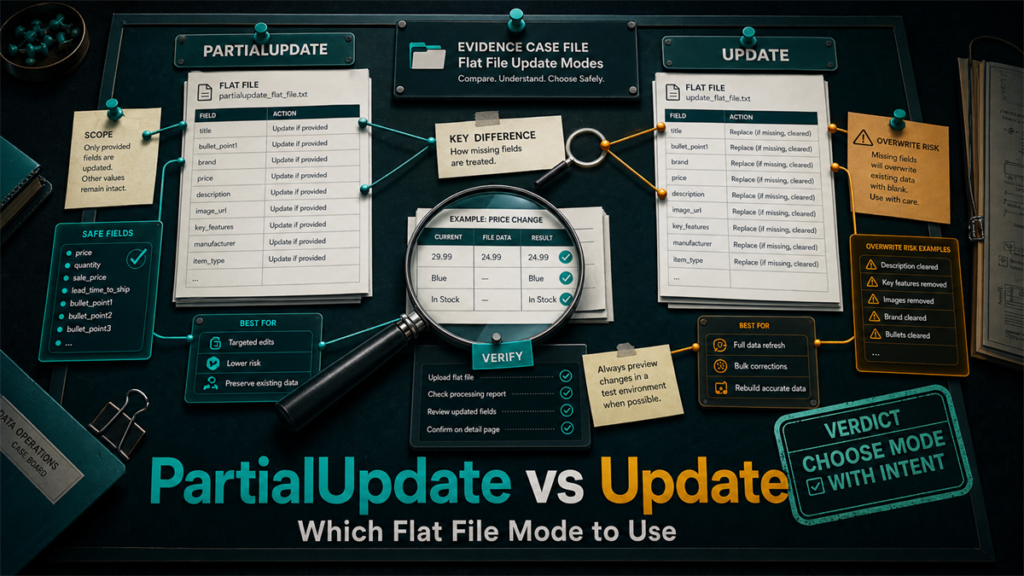
Update vs PartialUpdate decides whether blank cells in your Amazon flat file erase listing content. Here’s how each mode works and when to use it.