
Marketplace listing portability means your product data is clean enough to move from one sales channel to another without rebuilding every title, identifier, variant, image set, attribute, fulfillment promise, and policy note from scratch.
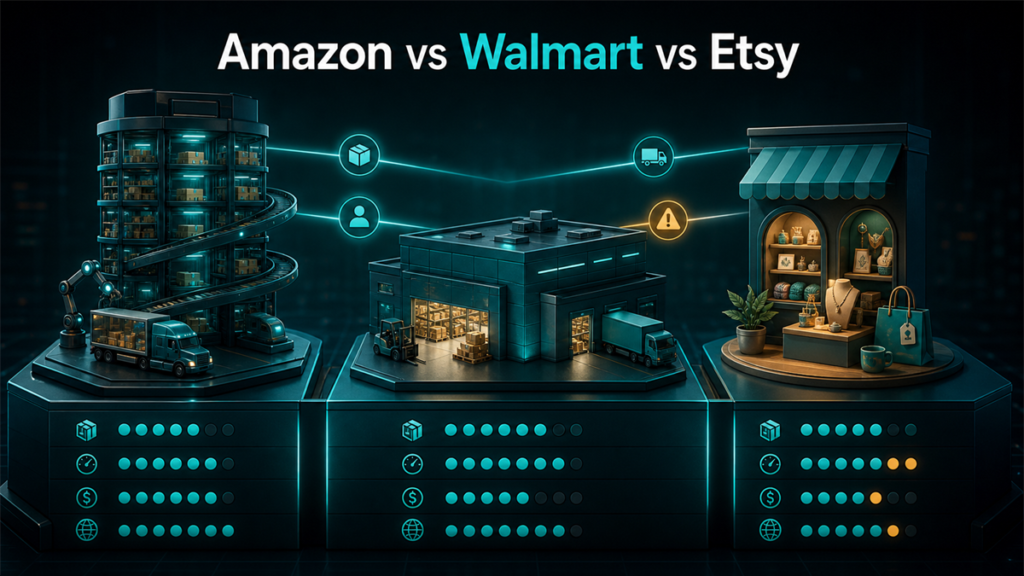
The goal is not to force one identical listing onto Amazon, Walmart, Shopify, Google Merchant Center, Etsy, TikTok Shop, Faire, or wholesale catalogs. The goal is to keep a neutral source-of-truth record that can be mapped into each channel’s taxonomy, validation rules, and buyer-facing format.
For sellers planning marketplace expansion, the practical test is simple: if a new channel asks for product identifiers, category-specific attributes, image rules, variant relationships, shipping promises, returns logic, or compliance fields, the answer should already exist in the product record before upload begins.
Key Takeaways
- Portable listings start with a neutral source-of-truth product record, not an export from the first marketplace that happened to launch.
- Core fields should include product identity, category, attributes, variants, images, content, pricing, availability, fulfillment, returns, and compliance notes.
- Marketplace portability does not remove channel-specific QA. Each destination still has its own taxonomy, required fields, image rules, and validation checks.
- The fields that most often break during expansion are product IDs, variant groupings, category mapping, required attributes, image eligibility, shipping promises, return rules, and restricted-product details.
- Sellers should treat listing portability as catalog governance before expansion, then run a destination-channel QA pass before publishing.
Start With the Source of Truth
The source product record should not be copied from the first marketplace that happened to launch. Amazon fields are not the same as Walmart fields, Google feed attributes, Shopify product taxonomy, Etsy personalization details, TikTok Shop policy fields, or wholesale catalog requirements.
If the master catalog is only an export from one marketplace, every new channel inherits that marketplace’s assumptions. That usually creates avoidable cleanup: missing identifiers, weak variant logic, wrong categories, inconsistent image usage, mismatched descriptions, and fulfillment promises that do not fit the destination channel.
A portable source-of-truth record should hold the approved facts about the product before any channel formatting begins. At minimum, that record should include product name, brand, internal SKU, external identifier, category, variant family, product attributes, descriptions, image assets, price rules, inventory owner, fulfillment promise, return constraints, and compliance requirements.
The source record should also separate facts from formatting. A product’s material, dimensions, count, ingredients, compatibility, warranty, and care instructions are facts. A marketplace title, bullet set, short description, feed label, or wholesale blurb is a channel-specific format built from those facts.
Map Core Fields Before Upload
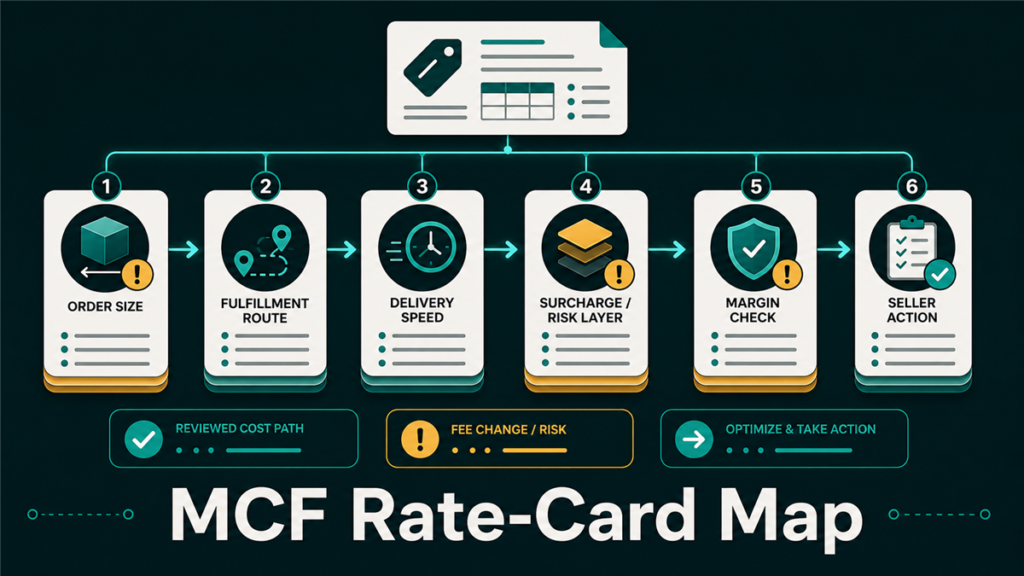
Before launching a product on another marketplace, create a field map from the source record to the destination channel. The point is to identify gaps before the upload file, API sync, or marketplace connector starts rejecting products.
| Source record field | Why it matters | Common destination mapping |
|---|---|---|
| Internal SKU | Keeps operations, inventory, and reporting stable | Seller SKU, merchant SKU, item ID, warehouse SKU |
| Product identifier | Helps channels recognize the exact product | GTIN, UPC, EAN, ISBN, or approved exemption path |
| Parent product | Groups variants correctly | Parent SKU, item group ID, variant group, product family |
| Variant attributes | Prevents broken size/color/material relationships | Size, color, scent, pack count, style, material, option values |
| Category | Controls required fields and search context | Product type, browse node, taxonomy category, Google product category |
| Required attributes | Helps avoid feed or item setup errors | Category-specific fields, product specs, condition, age group, gender |
| Images | Determines buyer trust and channel eligibility | Main image, alternate images, lifestyle images, compliance images |
| Price and availability | Keeps offers accurate | Price, sale price, currency, inventory quantity, availability status |
| Fulfillment promise | Sets buyer expectations | Handling time, lag time, shipping template, delivery promise, pickup/ship eligibility |
| Returns and policy notes | Prevents mismatched buyer promises | Return window, final sale notes, personalization rules, hazmat/restricted flags |
This field map does not need to be complicated. It can be a spreadsheet, PIM export, connector mapping, or catalog governance checklist. What matters is that the team can see which fields are approved, which fields are missing, and which fields require channel-specific wording.
Product Identity and Variant Governance
Each product and variant needs a stable identity. That includes the internal SKU used by the seller, external product identifiers where available, and a clear parent-child relationship when multiple variants belong together.
Do not let each marketplace invent its own variant logic. If one channel groups a shirt by color, another groups it by size, and a third treats every variant as a standalone product, reporting and buyer experience become messy quickly.
For variant families, document the parent product, every child SKU, the variant dimensions, and the allowed values for each dimension. Common variant dimensions include size, color, material, style, scent, count, pack size, flavor, configuration, and compatibility.
Product identifiers need the same discipline. If a product has a GTIN, UPC, EAN, or ISBN, keep it tied to the correct sellable unit. Do not reuse identifiers across bundles, multipacks, private-label relabels, or materially different variants. If a marketplace supports an exemption path, document the approval status and the exact product scope covered by that exemption.
Category and Attribute Mapping
Category mapping is one of the easiest places to underestimate marketplace work. A category is not just a browsing label. It often controls required attributes, allowed variant themes, product type rules, compliance questions, shipping expectations, and listing quality checks.
Portable listings should keep a neutral category in the source record and then map that category to each destination. For example, the same product may need an Amazon product type, a Walmart product type, a Shopify standard product category, a Google product category, and a wholesale catalog grouping.
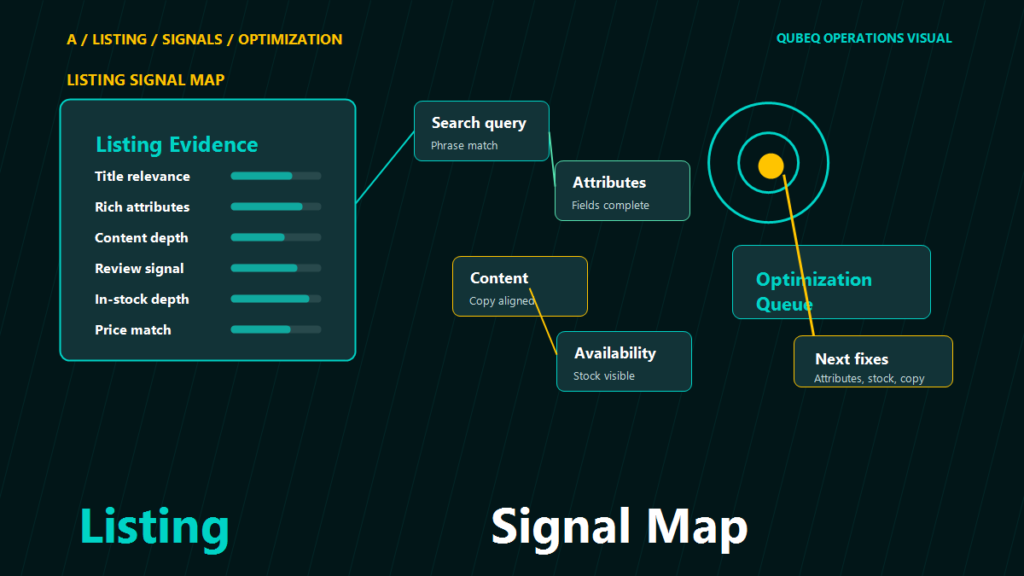
The attribute plan should include both required and useful optional fields. Required fields keep the listing eligible. Helpful optional fields can improve filtering, search matching, buyer confidence, and channel completeness. Examples include dimensions, materials, care instructions, compatibility, ingredients, net content, age range, target gender, safety warnings, certification details, and country of origin.
When the destination channel updates its taxonomy or required fields, the source record should be reviewed before the listing is pushed again. A portable catalog is not a one-time migration file. It is a maintained product data layer.
Images, Variants, and Policy-Sensitive Content
Images should be reusable, but they should not be treated as universally acceptable everywhere. A portable image set should separate the hero image, alternate angles, packaging, scale images, lifestyle images, dimensions images, certification images, and compliance-sensitive images.
Keep the master image set clean. Avoid platform badges, fake UI, unsupported claims, discount text, watermarks, competitor references, and marketplace-specific overlays in the source assets. Those elements can cause problems when the same image is reused in feeds or marketplace uploads.
Variant images also need governance. If each color, size, bundle, or configuration has a different buyer-facing appearance, the source record should identify which image belongs to which variant. This helps avoid the common problem where a marketplace shows the wrong color, pack size, or bundle image next to a variant offer.
Descriptions should be modular. A marketplace bullet set, Shopify product page, Google feed title, Etsy personalization note, TikTok Shop listing, and wholesale catalog description may not use the same format. They should still draw from the same approved product facts.
Policy-sensitive content should be flagged before expansion. Claims about health, safety, origin, sustainability, compatibility, regulated materials, warranties, and restricted use should be reviewed before they are copied into another channel.
Fulfillment, Returns, and Policy Fields
Listing portability is not only a content problem. It also affects operations.
Each product record should identify whether the item is stocked, made to order, personalized, fragile, freight, hazmat, meltable, seasonal, bundled, restricted, channel-limited, or available only through a specific fulfillment method.
Fulfillment promises should travel with the product record. That includes handling time, lag time, shipping template, warehouse owner, replenishment constraints, safety stock rules, and whether the inventory source can support FBA, WFS, 3PL, merchant fulfillment, dropship, local pickup, or wholesale shipment.
Return rules should be mapped before launch too. Personalized products, final-sale products, hazmat items, oversized items, fragile products, and regulated goods may need different buyer-facing return language by channel. If the source record does not capture those limits, the listing team may accidentally publish a promise operations cannot keep.
The same applies to compliance. Documentation such as certificates, safety sheets, test reports, age restrictions, ingredient details, warning labels, and product safety claims should be attached to the product record or linked from the catalog workflow before the product is pushed into another marketplace.
Current-Source Note
Marketplace taxonomies, feed attributes, product identifier policies, image requirements, and fulfillment fields change over time. Before staging or publishing this expanded guide, confirm the destination-channel examples against current official source docs, especially Google Merchant Center product data specification, Shopify category metafields, Shopify standard product taxonomy, and Walmart product identifier policy.
For a practical Qubeq walkthrough of the channel setup side, see Google Merchant Center product feed readiness, Shopify product taxonomy readiness, and Walmart product type and attributes guide.
Channel Readiness QA Checklist
Before launching a product on another channel, confirm:
- The internal SKU is stable and matches inventory, warehouse, and reporting systems.
- Product identifiers are correct for the sellable unit, bundle, multipack, or variant.
- Any GTIN, UPC, EAN, ISBN, or exemption status is documented.
- Parent-child relationships are clean and each child variant has one clear role.
- Variant dimensions use consistent values across the catalog.
- The source category has been mapped to the destination channel’s category or product type.
- Required category attributes are complete before upload.
- Useful optional attributes have been added where they help search, filtering, or buyer confidence.
- Main and alternate images meet the destination channel’s current rules.
- Variant images are tied to the correct child SKUs.
- Titles and descriptions can be adapted without changing approved facts.
- Claims, certifications, safety statements, and warranty language are approved for the channel.
- Price, sale price, currency, and promotion rules are approved.
- Inventory source, safety stock, and oversell rules are defined.
- Fulfillment method, handling time, lag time, and delivery promise are realistic.
- Return rules and personalization rules are clear before publication.
- Restricted-product, hazmat, age-gated, or compliance fields are completed where needed.
- The destination listing has been checked for duplicates, merged catalog conflicts, and existing marketplace matches.
- The final staged listing has been reviewed in the destination channel preview or processing report before going live.
FAQ
What does listing portability mean?
Listing portability means product data is organized well enough to be adapted across multiple sales channels without rebuilding every title, identifier, image set, attribute, variant relationship, and fulfillment field from scratch.
Can sellers copy the same listing to every marketplace?
No. A portable source record speeds up expansion, but each marketplace still has its own required fields, taxonomy, image expectations, policy rules, and validation checks.
Which fields usually break during marketplace migration?
Common problem fields include product identifiers, variation attributes, category mapping, required item attributes, image eligibility, shipping or lag-time promises, return rules, compliance fields, and marketplace-specific product type requirements.
Should sellers clean source data before upload?
Yes. Cleaning the source catalog before upload reduces repeated feed rejections, mismatched variants, duplicate listings, wrong buyer promises, and channel-by-channel manual fixes.
How often should source records be checked?
Source records should be checked before every major channel launch, after marketplace taxonomy updates, after product packaging or compliance changes, and whenever a connector or feed begins producing repeated listing errors.
Bottom Line
Marketplace listing portability is not copy-paste. It is catalog discipline. Sellers who maintain clean source records can expand faster, reduce upload failures, keep buyer promises consistent, and avoid rebuilding the same product data every time a new channel becomes important.